Mulch, Decorative Stone, and Hardscape Base Materials
Selecting the right ground cover material is an important part of building a landscape that looks great and performs well over time. At Creative Landscape by Design, we install mulch, decorative landscape stone, and compactable aggregate base materials for projects ranging from planting beds to patios and retaining walls throughout Mahoning, Trumbull, and Columbiana counties.
Mulch improves soil moisture retention and plant health in landscape beds. Decorative stone provides a longer-lasting, low-maintenance alternative around foundations and drainage areas. Structural aggregate materials such as limestone base and leveling stone are installed beneath patios, walkways, and retaining walls to create stable foundations that help prevent settling over time.
With over 30 years of installation experience, we help homeowners choose materials that balance appearance, performance, and long-term reliability.
Benefits of Mulch in Landscape Beds
Mulch is one of the most effective materials for improving the health and appearance of planting beds around trees and shrubs. It helps retain soil moisture, regulate temperature during seasonal changes, and reduce weed growth while creating a clean, finished look throughout the landscape. Organic mulch also breaks down over time, adding nutrients back into the soil and supporting long-term plant health.
At Creative Landscape by Design, we help homeowners select the right mulch type and depth for both appearance and performance.
Double Shredded Natural Hardwood Mulch
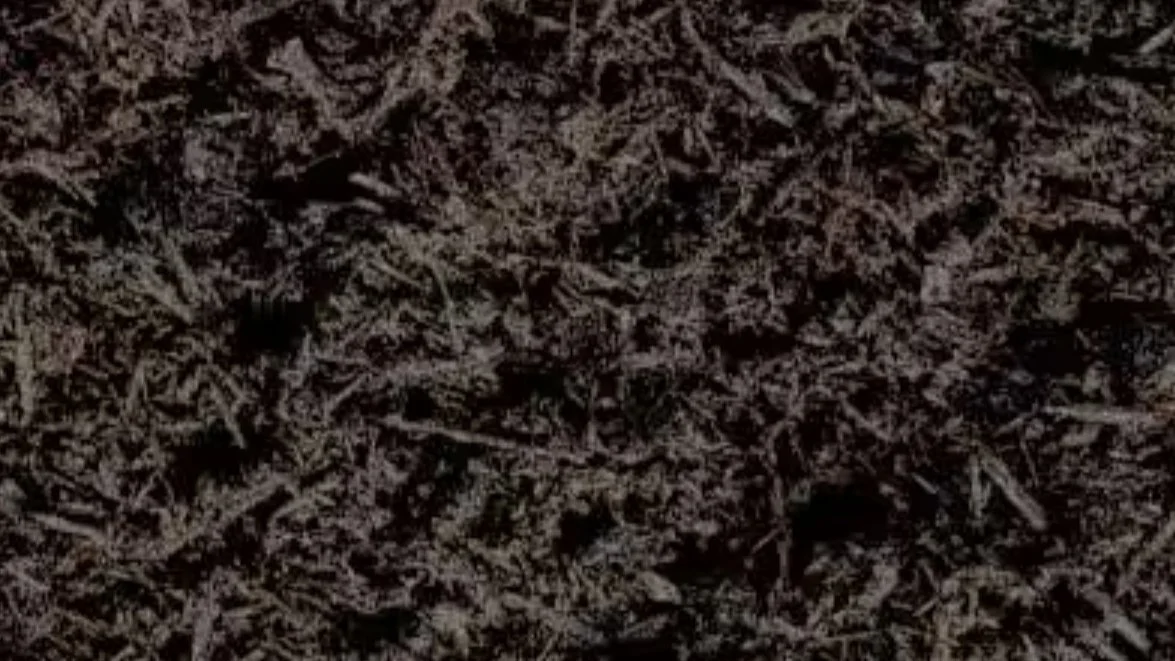
Double shredded natural hardwood mulch is one of the most popular choices for planting beds around trees and shrubs. Its finer texture allows the mulch to knit together better than larger bark mulch, helping it stay in place on slopes and during heavy rain. As it naturally breaks down over time, it improves soil structure and moisture retention while reducing weed growth and creating a clean, finished appearance throughout the landscape.
Dyed Black Mulch
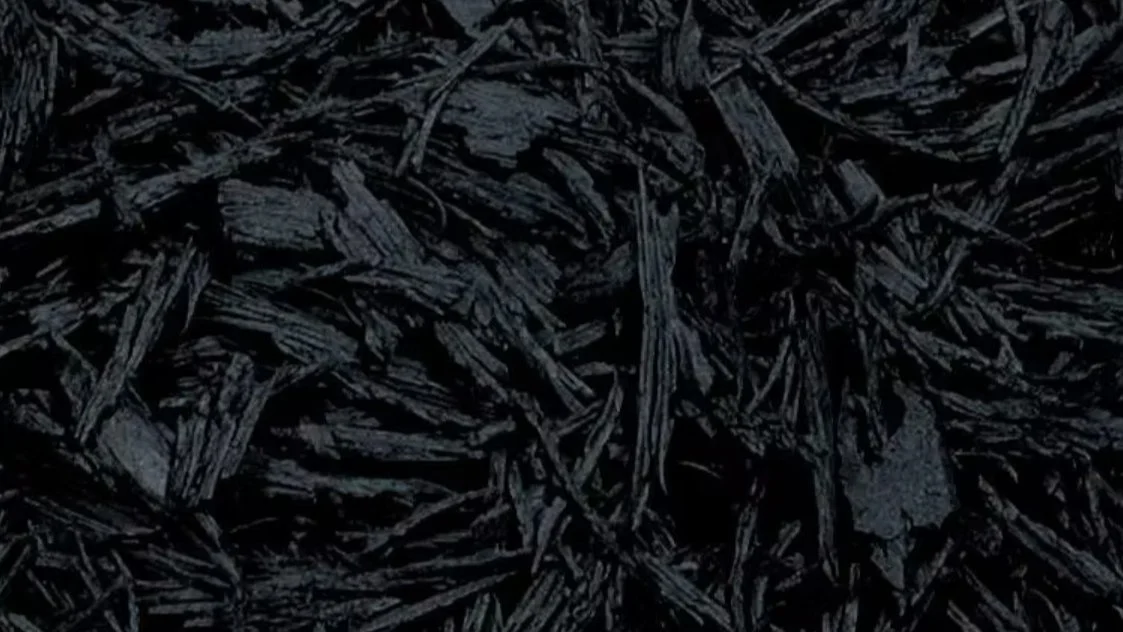
Dyed black mulch provides strong contrast that helps shrubs, flowers, and ornamental trees stand out in landscape beds. It is a popular choice for foundation plantings and modern landscape designs because it creates a clean, defined appearance that lasts throughout the season. Like other organic mulches, it also helps retain moisture and suppress weeds while supporting long-term soil health.
Dyed Brown Mulch
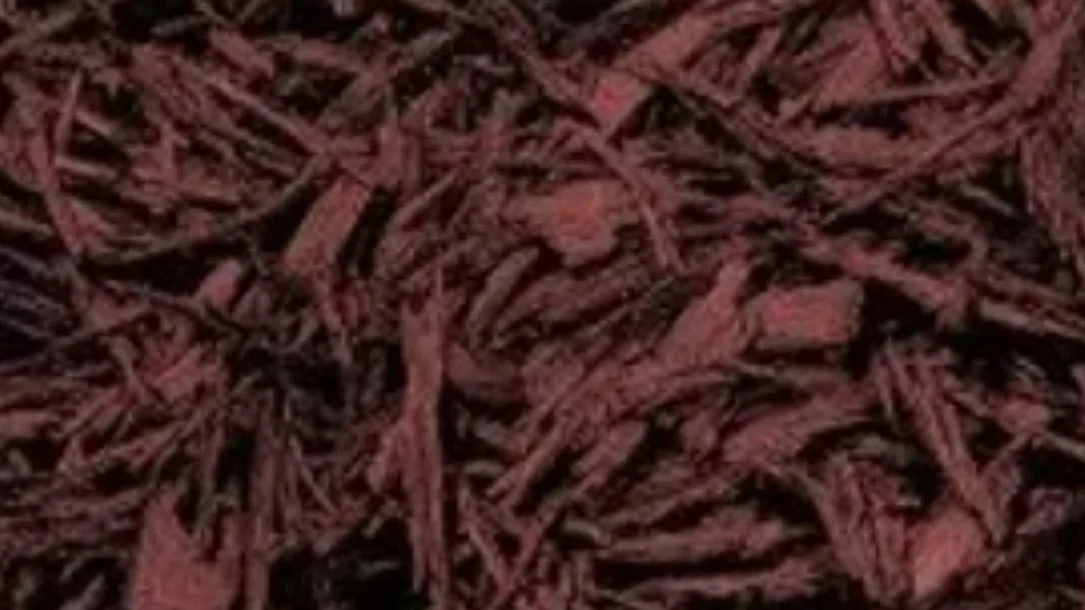
Dyed brown mulch offers a natural-looking finish that blends well with traditional landscape styles and wooded surroundings. It provides the same moisture retention and weed suppression benefits as other organic mulches while maintaining a consistent color longer than untreated mulch. Brown mulch is often selected for larger planting beds and properties where a softer, more natural appearance is preferred.
Playground Mulch
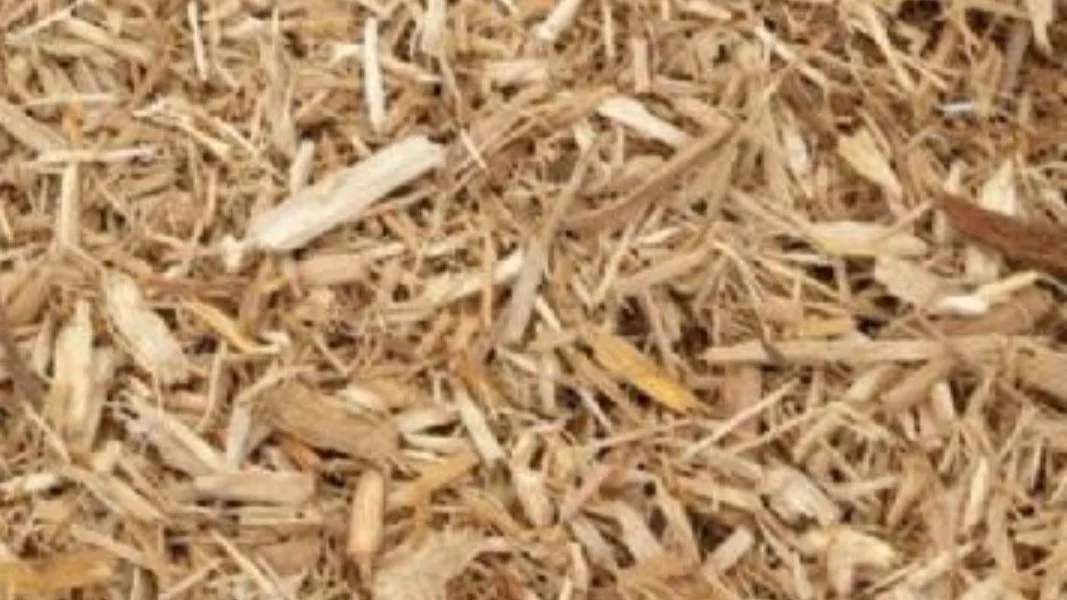
Playground mulch is a certified wood fiber material designed specifically for safety in play areas. It creates a cushioned surface that helps reduce impact under swing sets and playground equipment while allowing for proper drainage. Playground mulch is commonly installed in residential play spaces, schools, and recreational areas where safety and durability are important considerations.
Benefits of Decorative Stone
Decorative landscape stone provides a durable, low-maintenance alternative to mulch in foundation beds, accent areas, and drainage zones. Unlike organic materials, stone does not decompose over time and can help reduce long-term maintenance needs when installed properly with edging and fabric separation.
Decorative stone is especially useful near downspouts, walkways, patios, and areas where moisture control or erosion protection is important. With over 30 years of installation experience, we help homeowners choose stone sizes and colors that complement both the property and surrounding hardscape features.
Black Beauty (1½"–2")
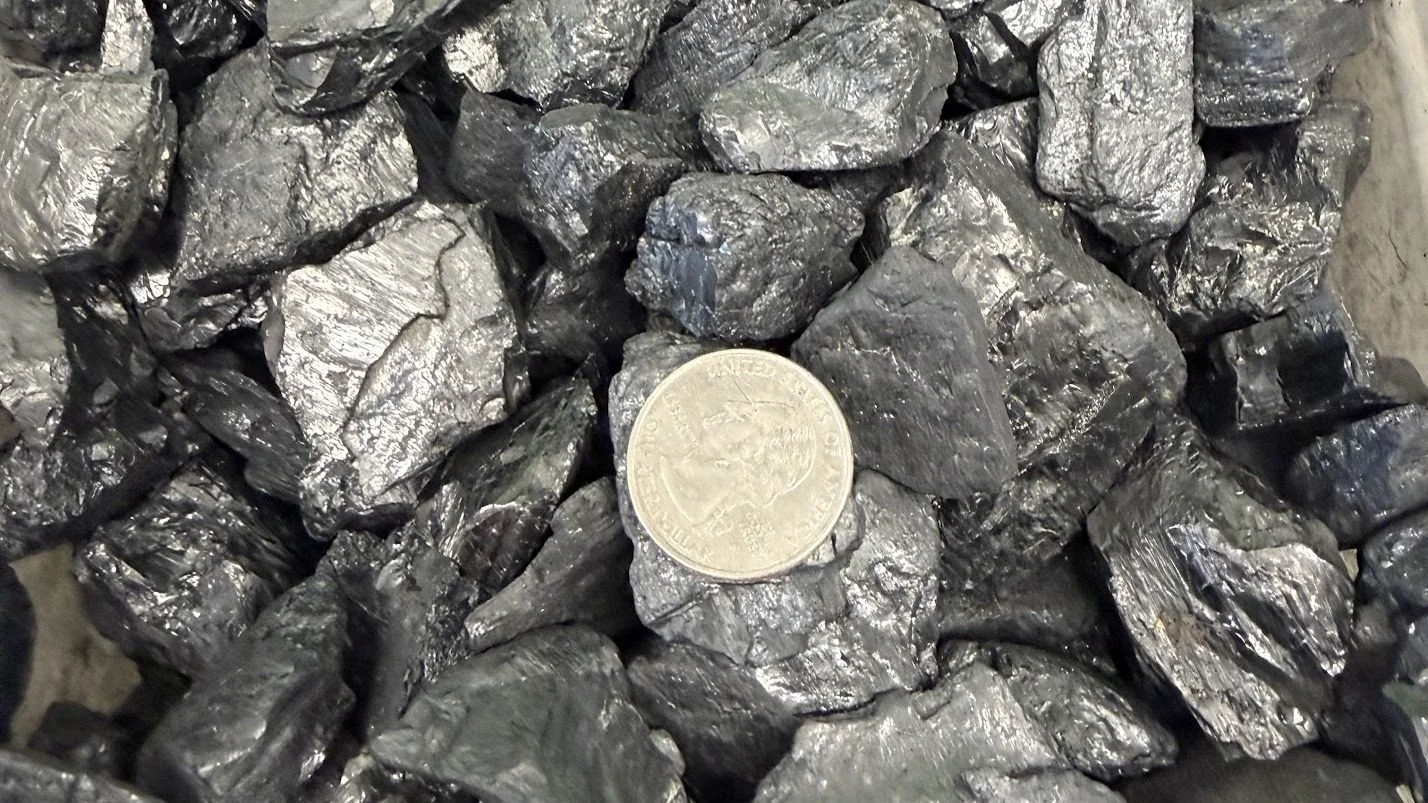
Black Beauty decorative stone provides a deep charcoal contrast that highlights shrubs, ornamental grasses, and foundation plantings. Its darker tone pairs especially well with modern homes and hardscape features while offering long-term durability with minimal maintenance.
Black Pearl Decorative Stone (1″–2½″)
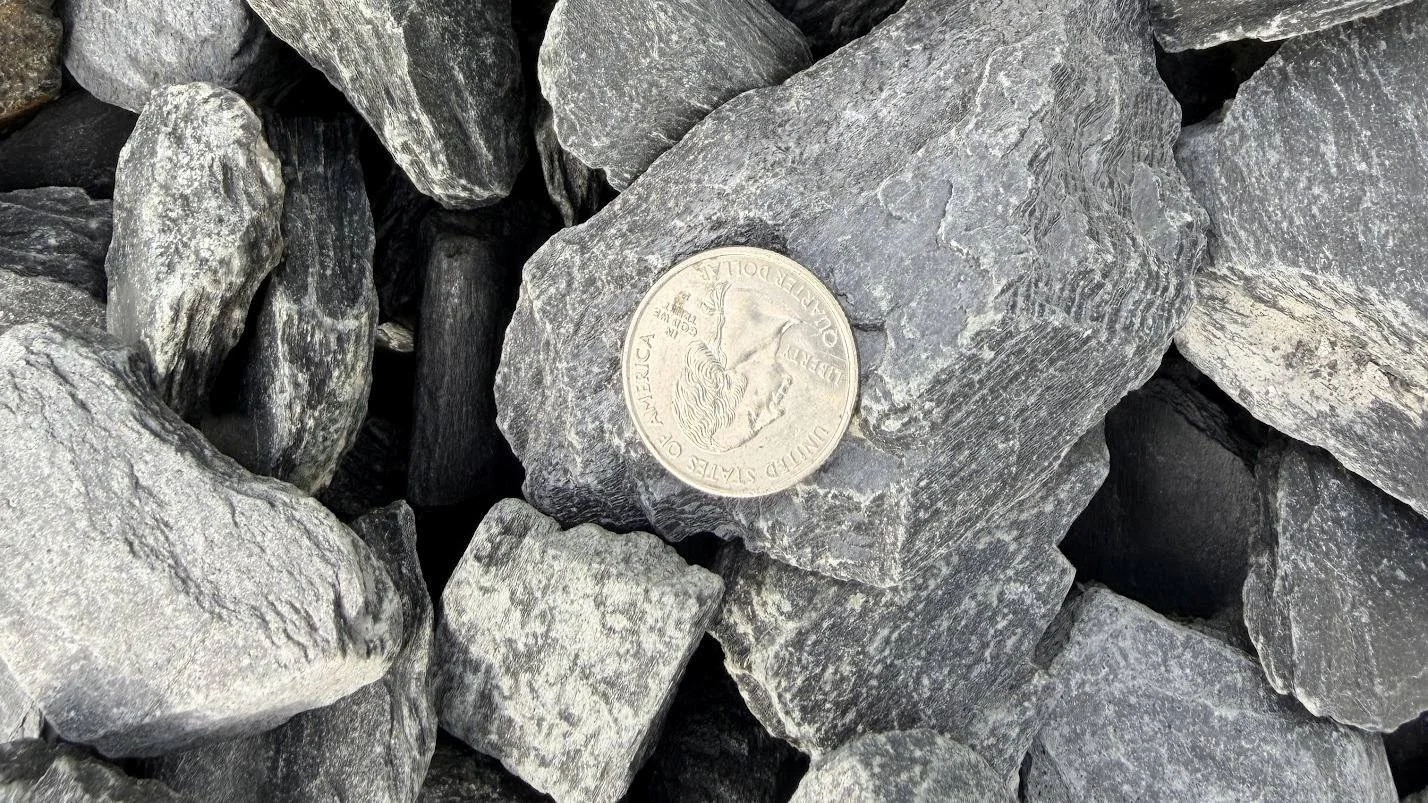
Black Pearl decorative stone is a dark gray to black angular gravel that creates a clean, modern contrast in landscape beds. It pairs especially well with light-colored homes, ornamental grasses, and foundation plantings where a sharper, high-end appearance is desired. Black Pearl is long-lasting, helps reduce maintenance compared to mulch, and holds its color well over time.
Mojave Red Pathway (3/8")
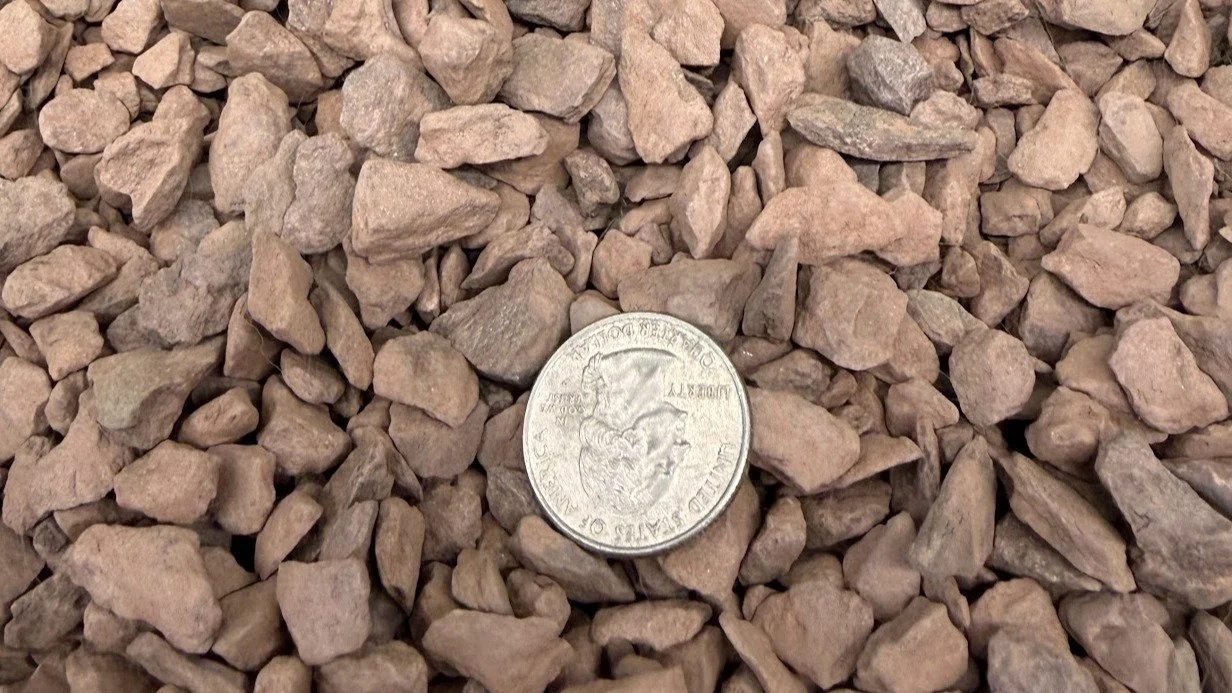
Mojave Red Pathway stone adds warm color contrast that works especially well along walkways, garden paths, and accent borders. Its smaller size allows for tighter placement and a more finished appearance in detailed landscape areas.
Mojave Red Small (½"–1")
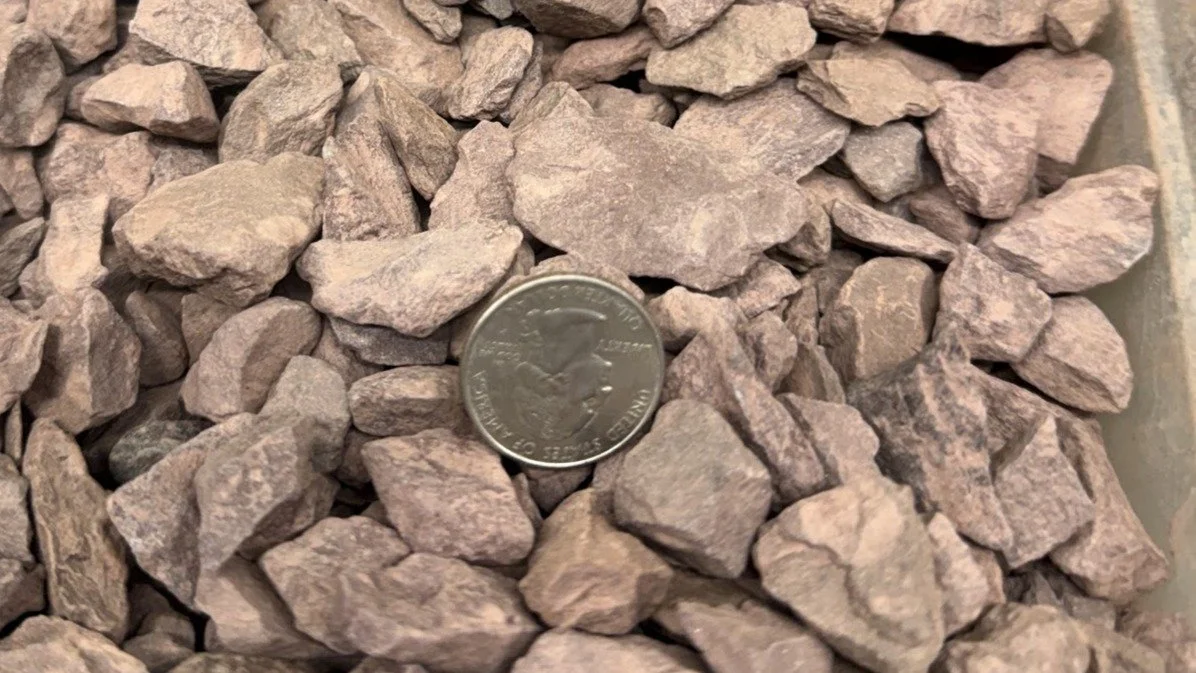
Mojave Red Small decorative stone provides a rich natural red tone that highlights shrubs, ornamental trees, and foundation plantings. It is commonly used where homeowners want stronger color definition than traditional river gravel.
Mojave Red Large (2"–4")
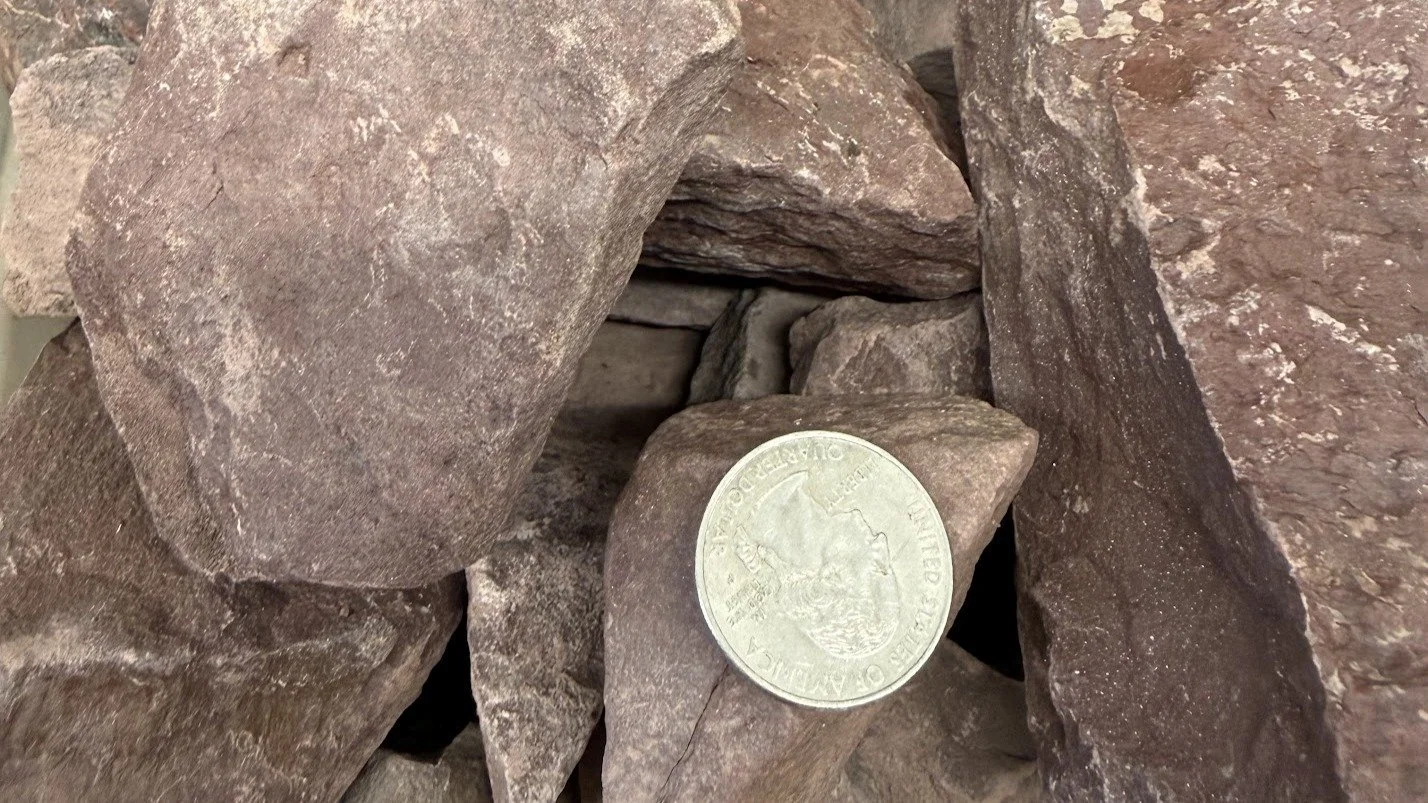
Mojave Red Large stone creates bold visual separation between planting beds and lawn areas. Its larger size makes it especially effective around patios, retaining walls, and focal landscape features.
Star Black Granite (1"–2")
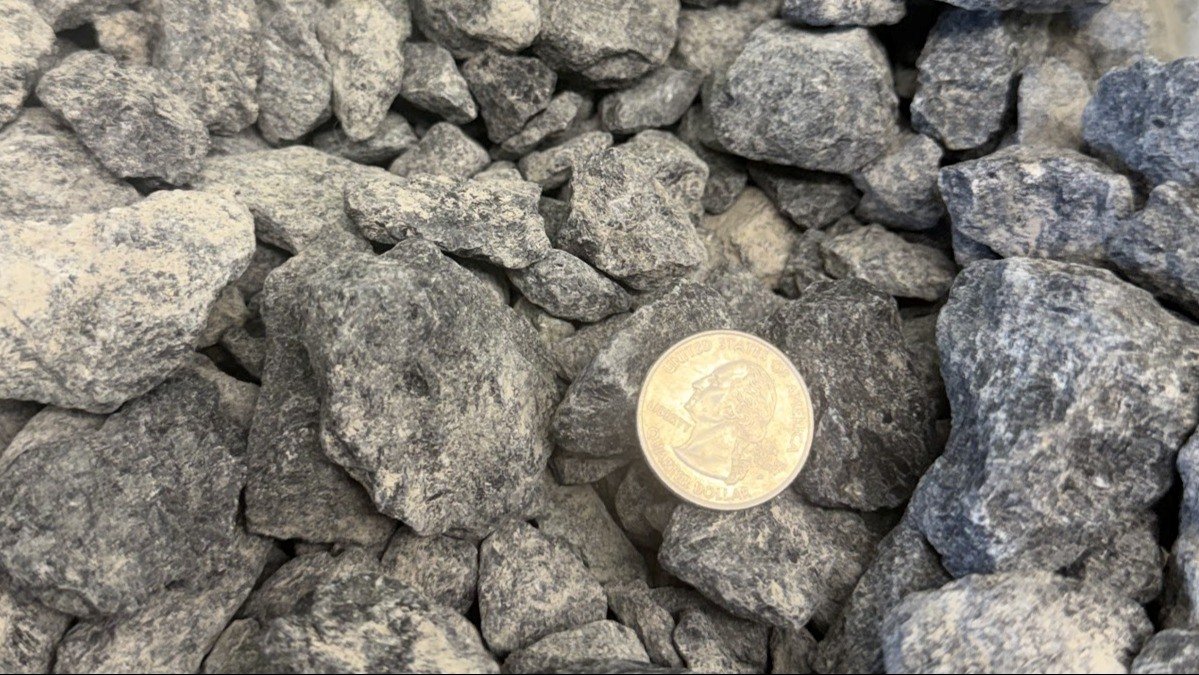
Star Black Granite features a darker speckled finish that delivers a premium decorative appearance in both traditional and contemporary landscapes. It pairs especially well with paver patios, landscape lighting, and modern outdoor living designs.
Black Forest Stone Small (½"–1")
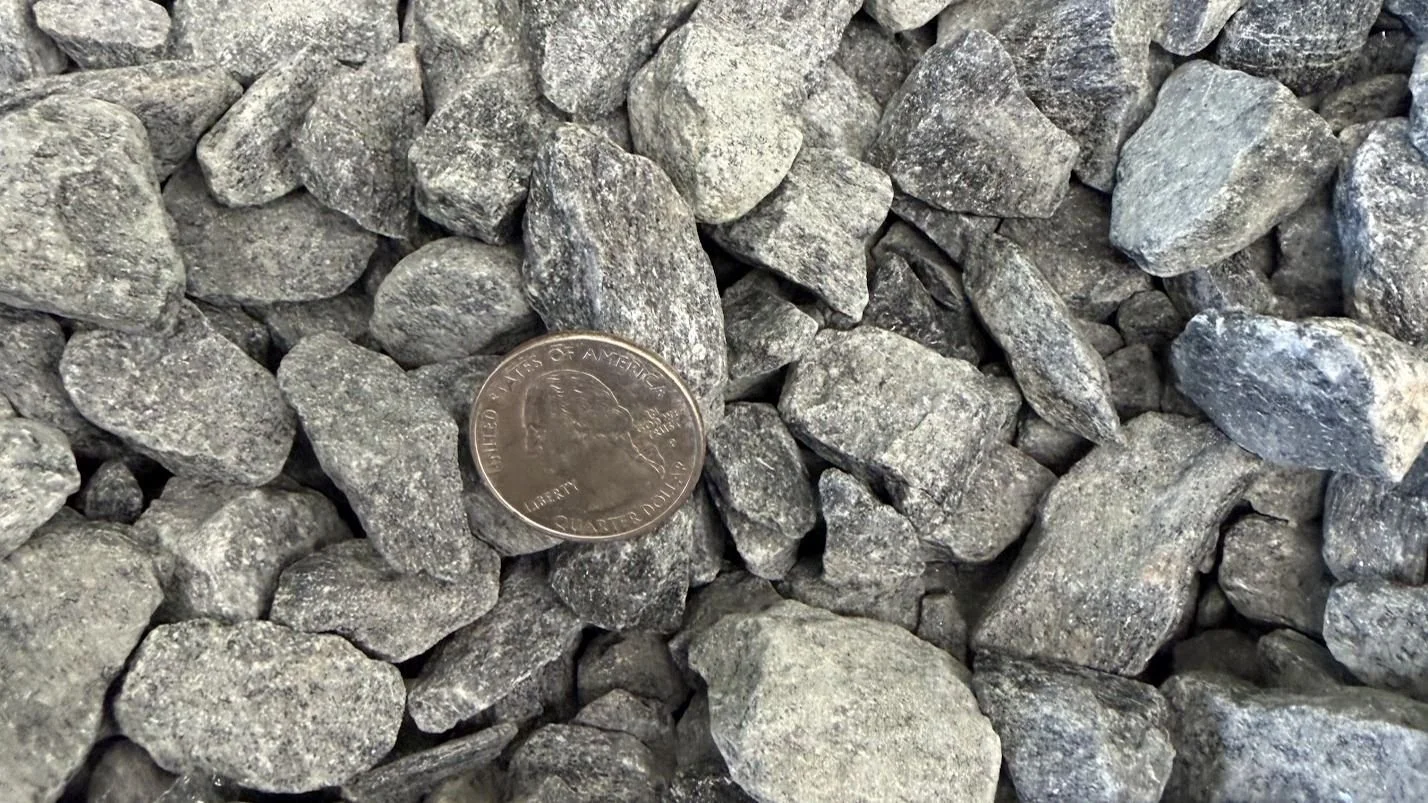
Black Forest Stone Small offers a dark natural finish that enhances contrast around light-colored homes and plantings. It is commonly used in foundation beds and accent areas where a refined, modern appearance is desired.
Black Forest Stone Large (1"–3")
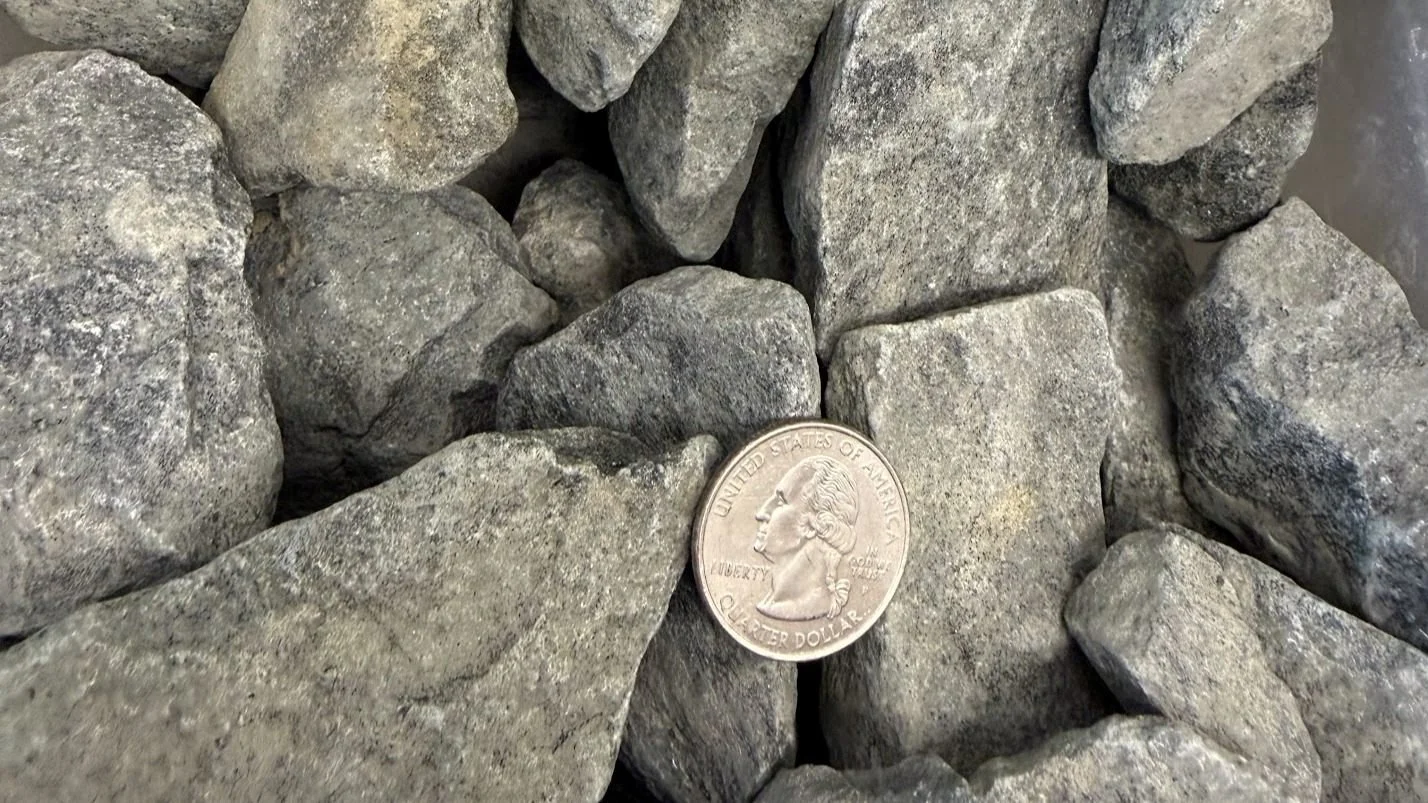
Black Forest Stone Large provides bold texture and contrast in landscape beds and works well along patio edges, retaining walls, and transition zones between lawn and hardscape surfaces.
Crimson Granite (1¼"–1½")
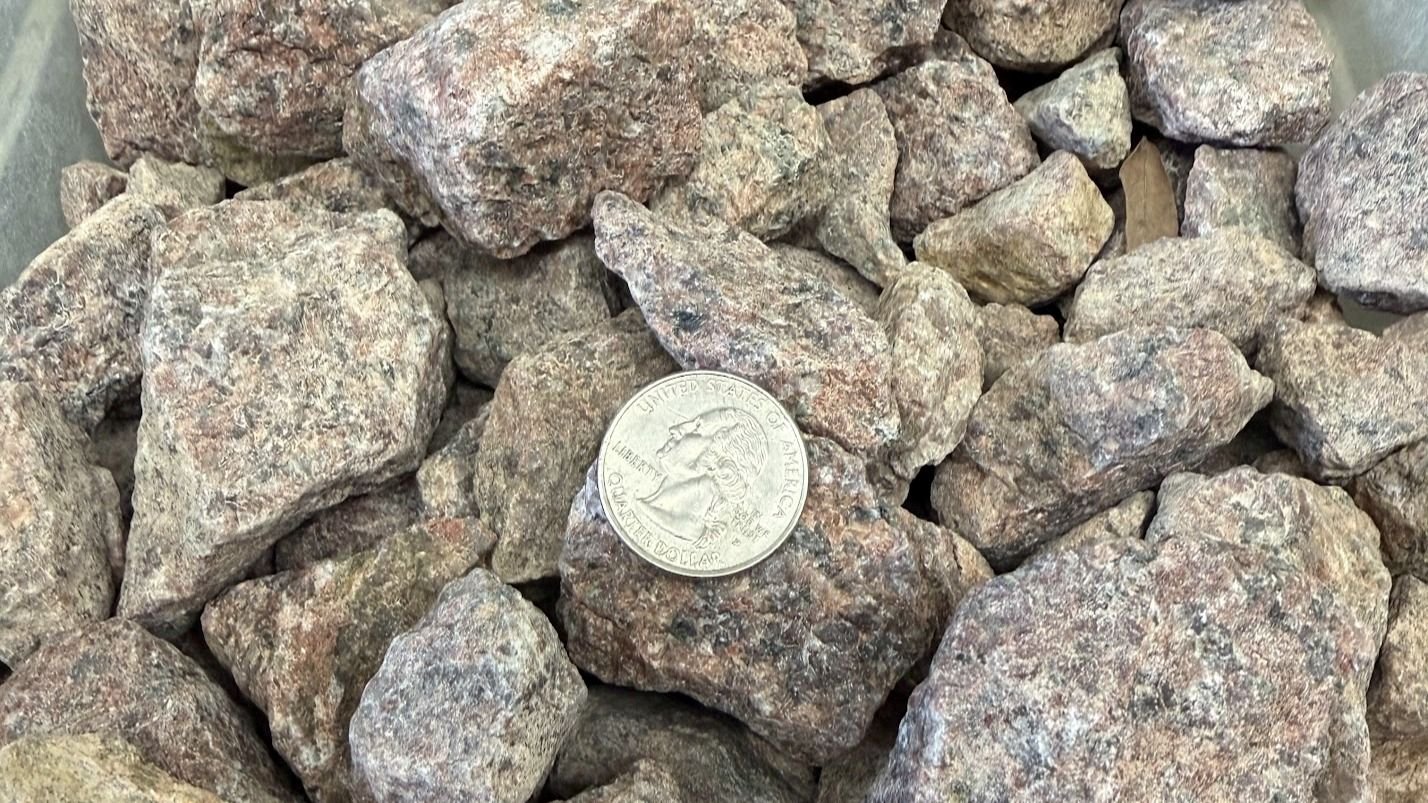
Crimson Granite offers bold red tones that create strong contrast against lawns and foundation plantings. This stone is often selected when homeowners want a distinctive decorative finish that stands out more than traditional river gravel.
Snowcap White (1"–1¼")
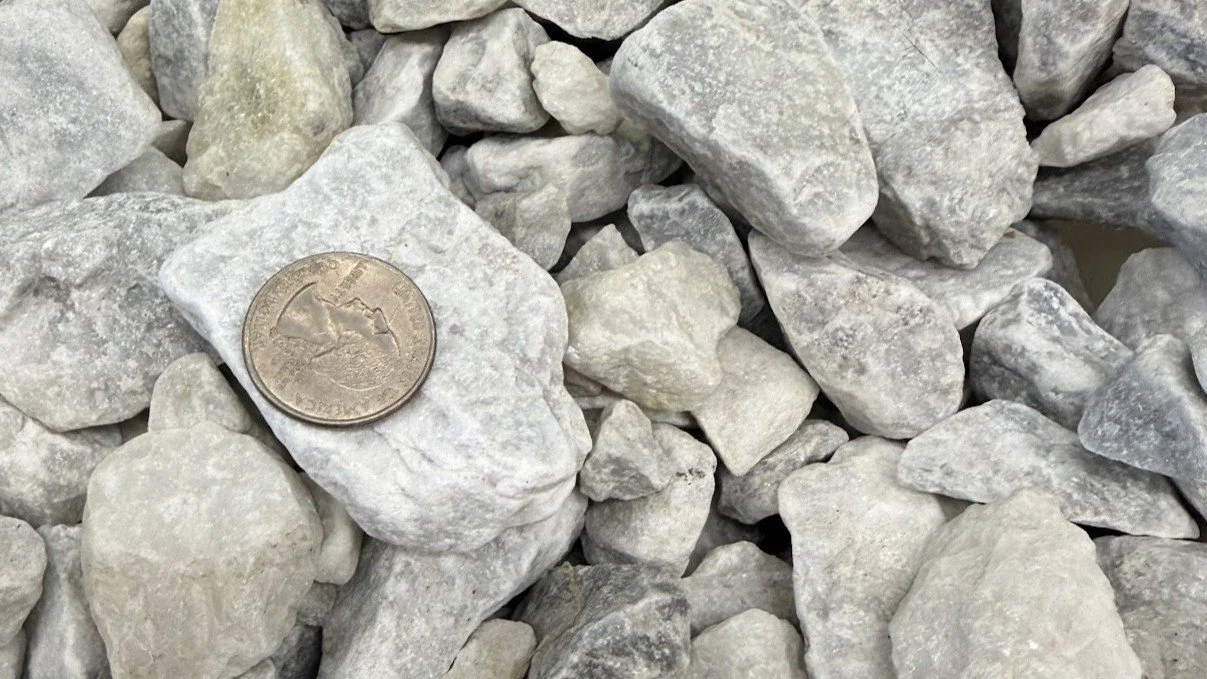
Snowcap White stone offers one of the brightest decorative finishes available for landscape beds. It creates strong contrast against dark mulch areas, shrubs, and foundations while delivering a clean, upscale appearance with long-term durability.
Grand Sienna Stone (1"–2")
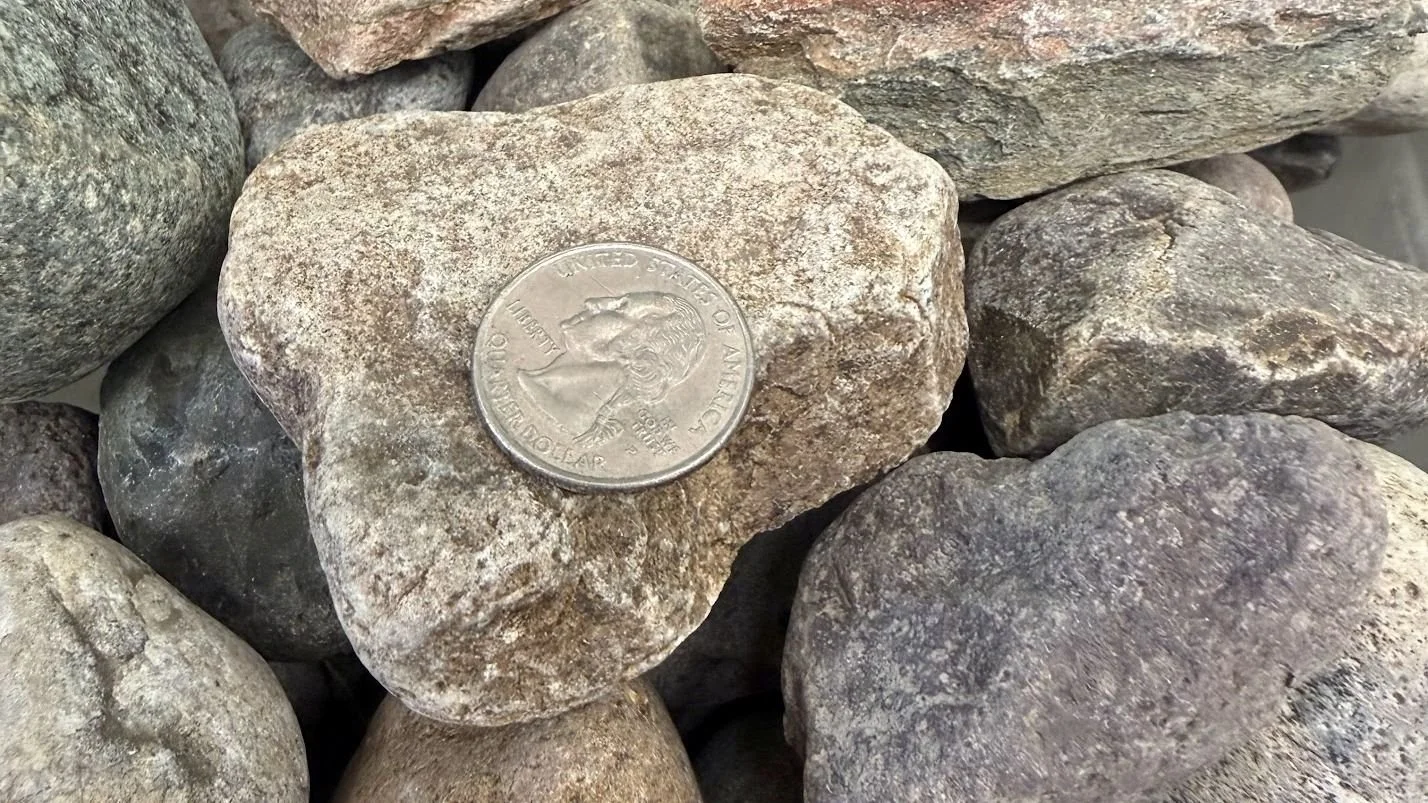
Grand Sienna Stone adds warm earth-tone variation that blends naturally with patios, walkways, and retaining wall systems. It works especially well in transitional areas between planting beds and outdoor living spaces.
Royal Rainbow (1"–2½")
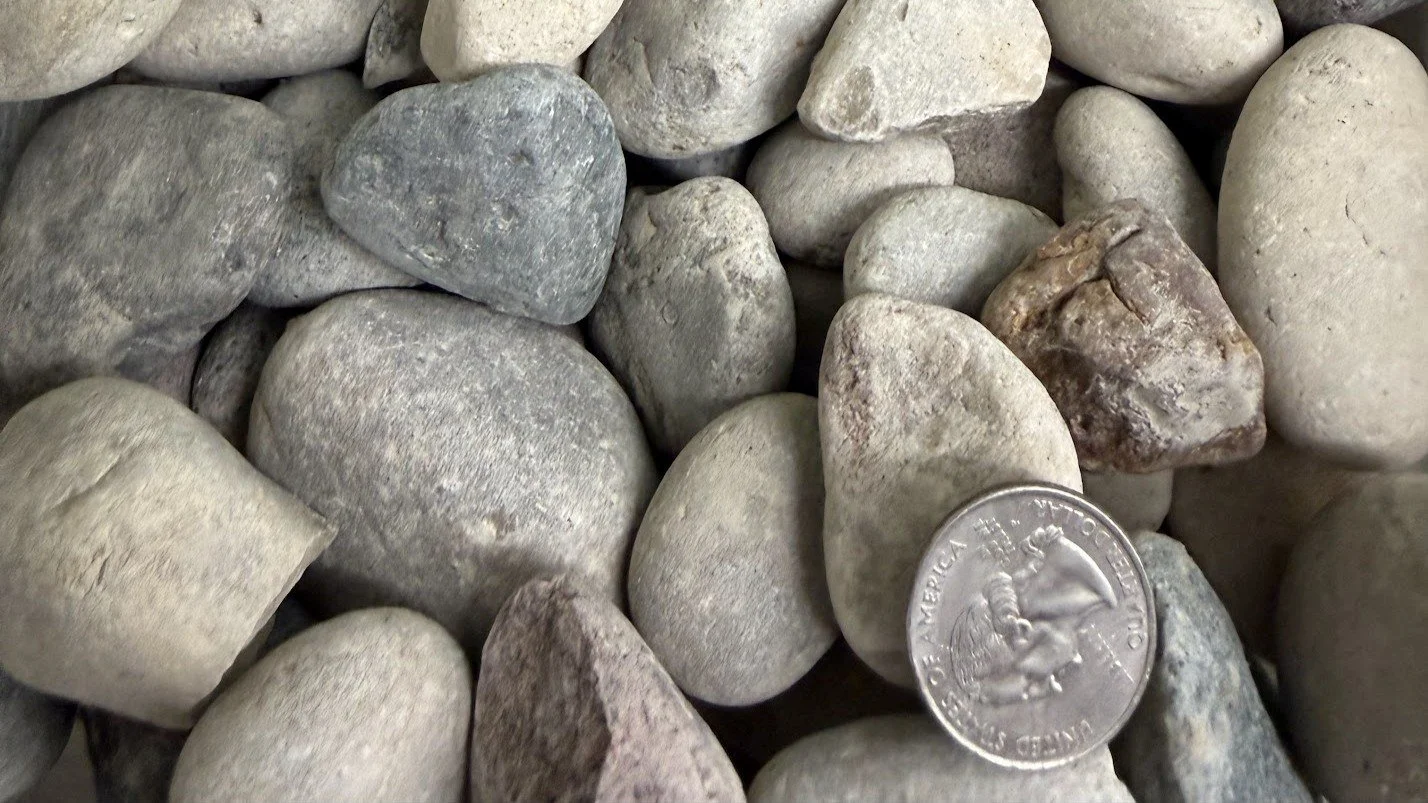
Royal Rainbow stone features a soft blend of natural grays, creams, and rose tones that complement patios, walkways, and foundation landscapes. Its larger size helps keep the stone in place while creating strong visual contrast against lawn areas.
Arctic Rainbow Small (¾"–1¼")
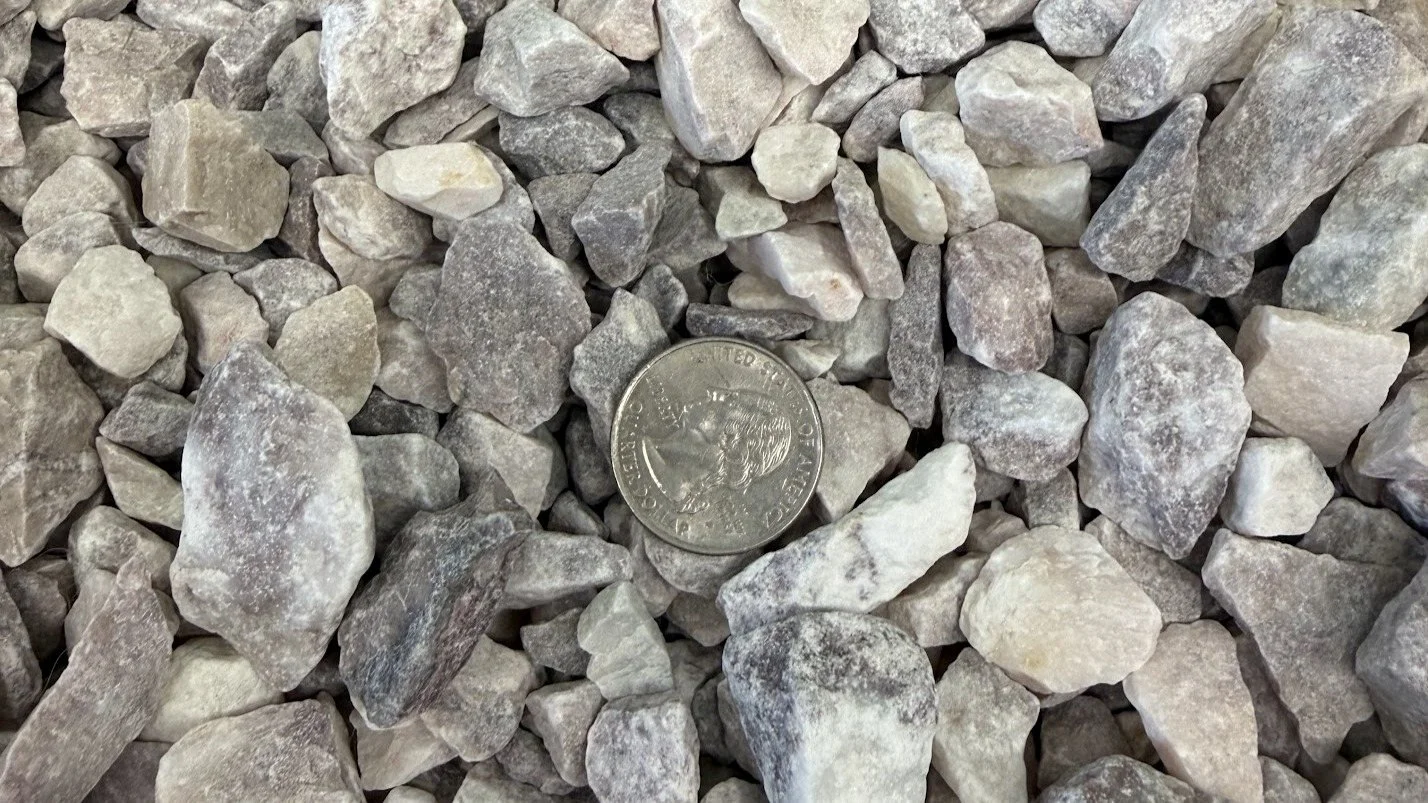
Arctic Rainbow Small decorative stone provides the same natural color variation as the larger version but is better suited for tighter planting beds and detailed landscape areas. Its size helps create a clean, finished appearance around shrubs and entryway plantings.
Arctic Rainbow Large (1"–2")
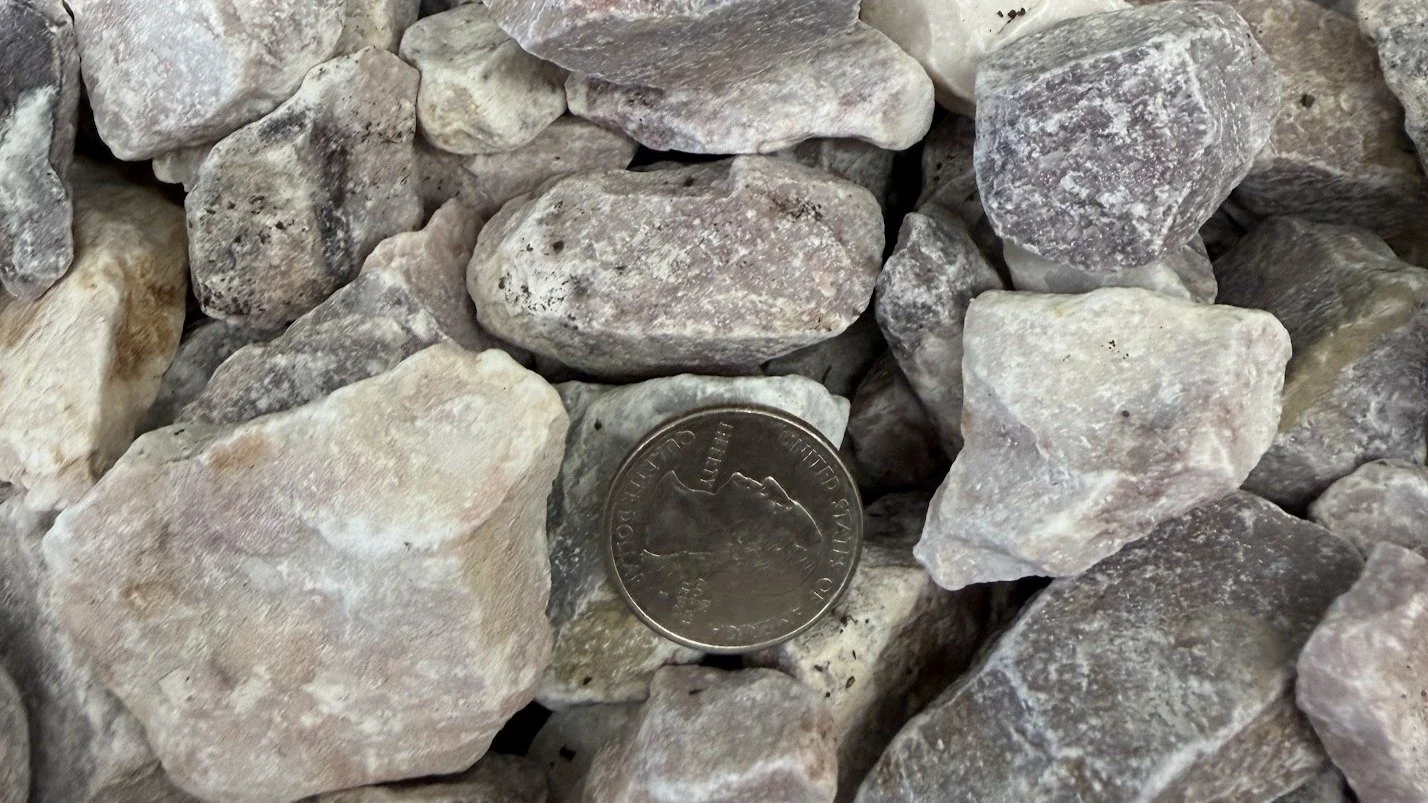
Arctic Rainbow Large stone features a natural blend of soft grays, creams, and rose tones that complement a wide range of landscape styles. It works well in foundation beds and accent areas where a natural, multi-color appearance is desired.
Canadian Blue Small (½"–1")
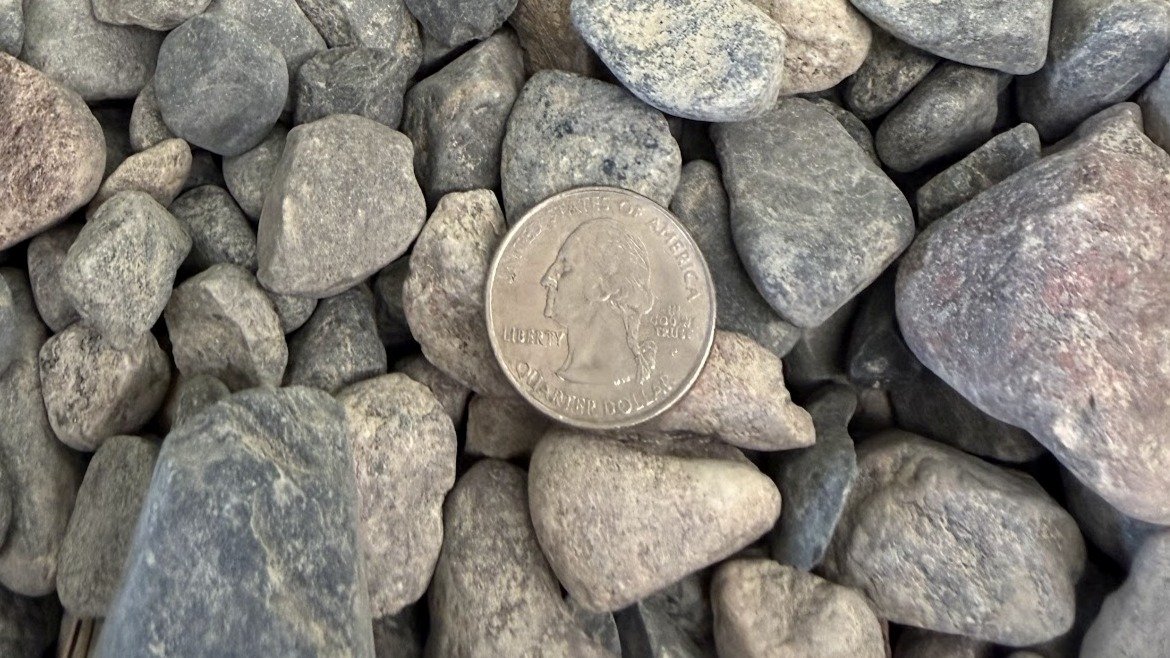
Canadian Blue Small decorative stone provides a subtle blue-gray tone that complements both traditional and contemporary landscape designs. Its smaller size makes it ideal for foundation beds, shrub borders, and narrow planting areas.
Canadian Blue Large (1"–3")
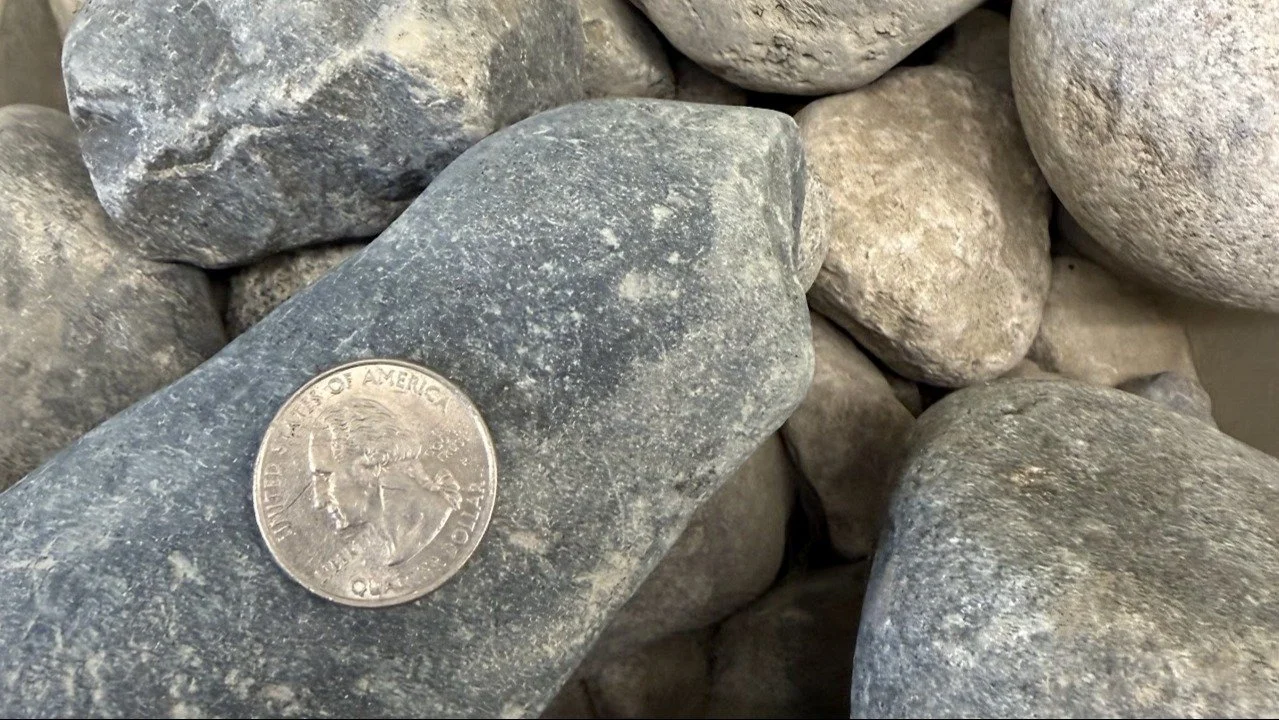
Canadian Blue Large stone creates a stronger visual presence in landscape beds and works especially well near patios, retaining walls, and outdoor living areas. Its size helps reduce movement while maintaining a clean decorative edge.
Caramel Canyon #8 (3/8")
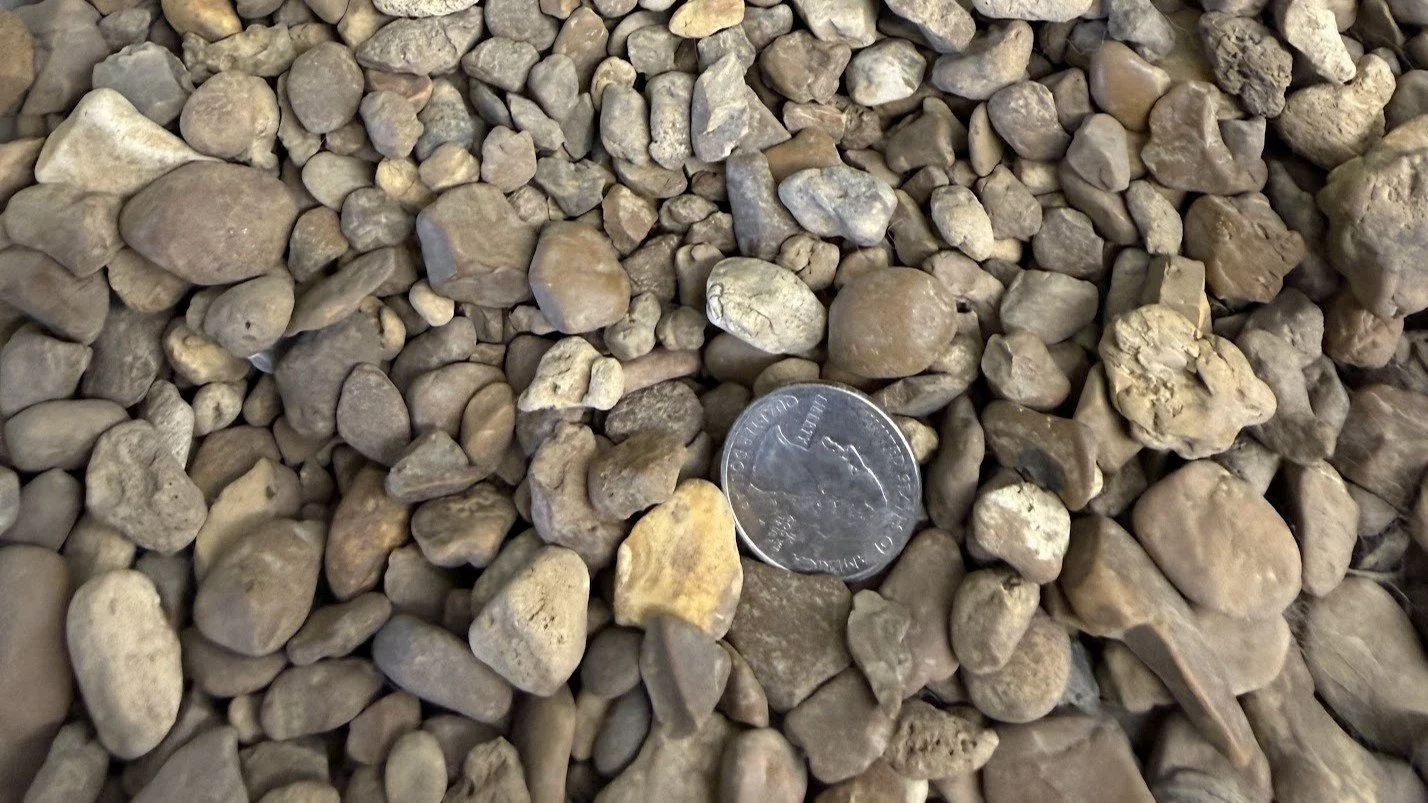
Caramel Canyon #8 decorative stone provide a warm earth-tone blend that works well in narrow planting beds and pathway accents. Its smaller size allows for tighter placement and a finished appearance around detailed landscape edge.
Caramel Canyon (½"–2")
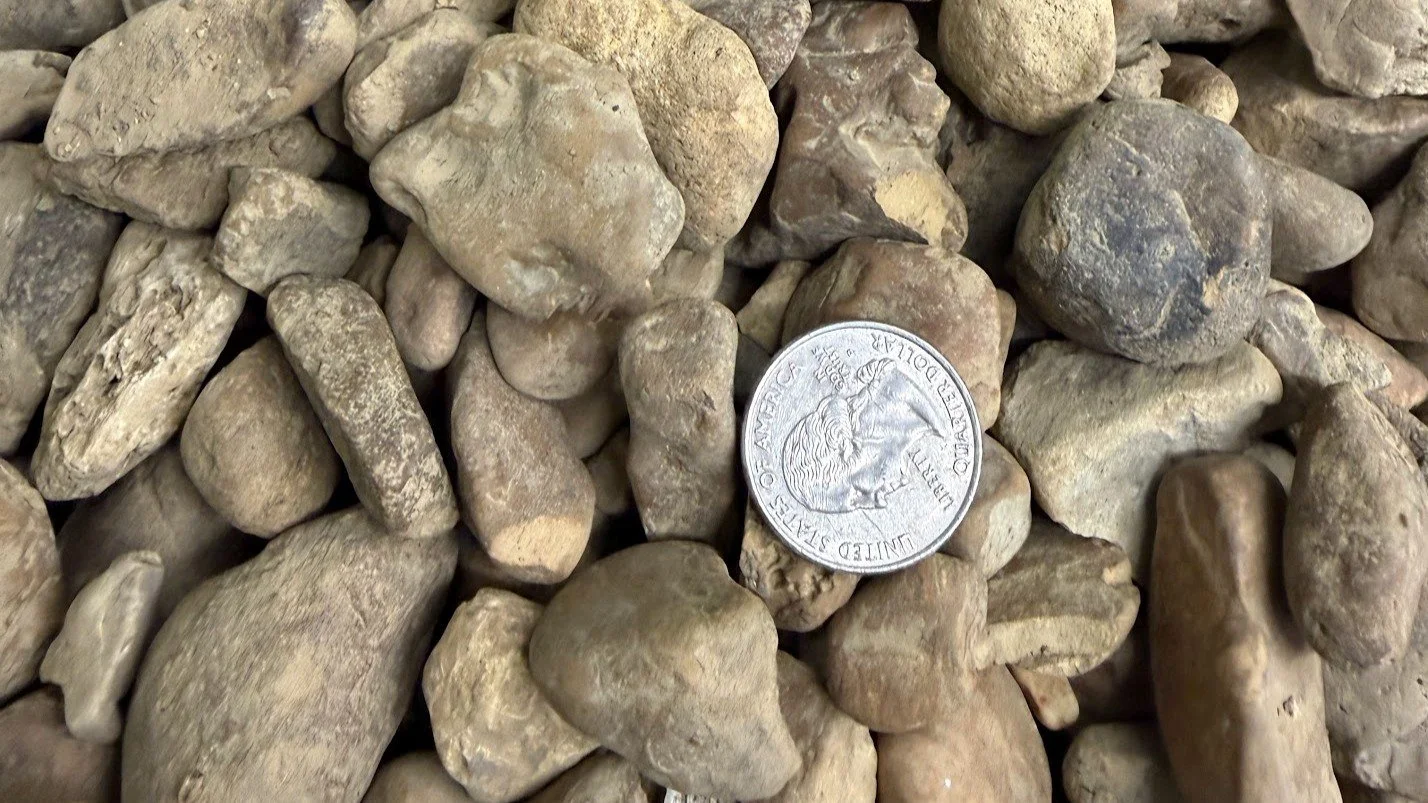
Caramel Canyon decorative stone offers natural tan and brown color variation that blends easily with both traditional and modern homes. It is commonly used in foundation plantings, shrub beds, and larger accent areas where a low-maintenance alternative to mulch is desired.
Great Lakes Pebbles Small (½"–1¼")
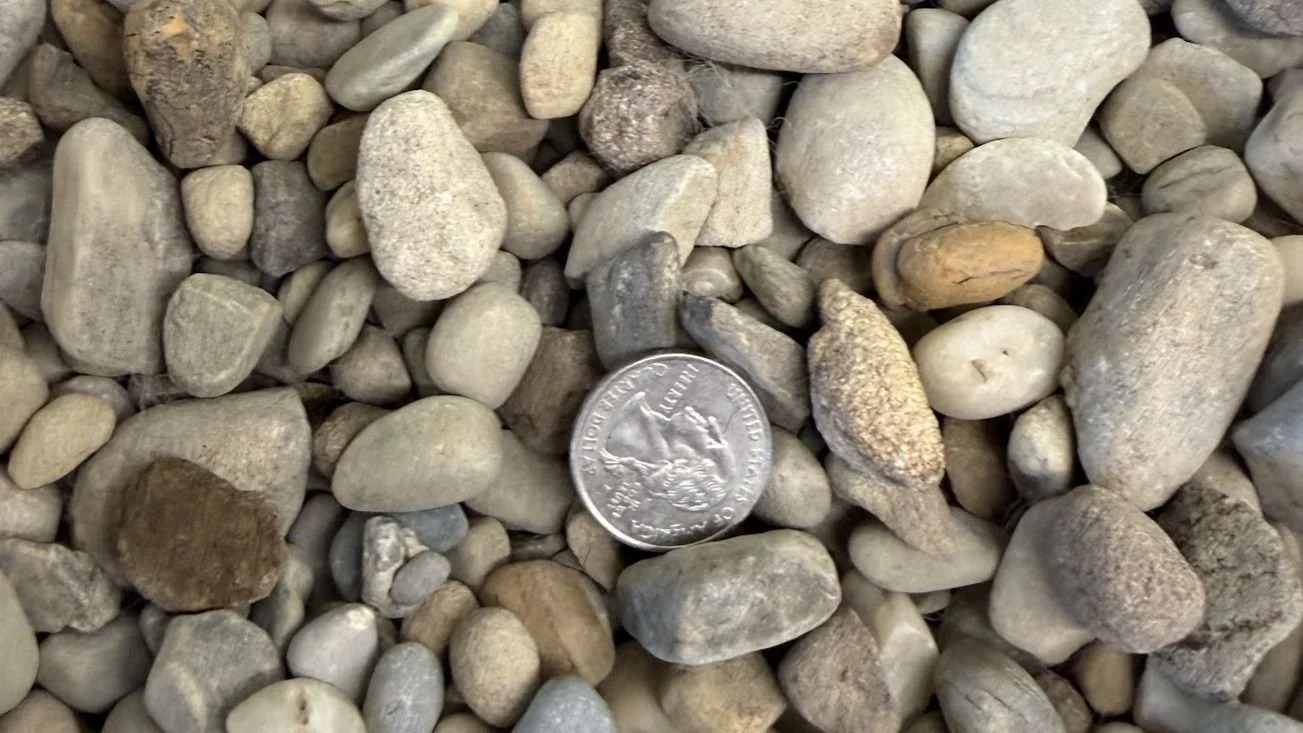
Great Lakes Pebbles Small are ideal for detailed planting beds, narrow foundation areas, and accent borders where a tighter decorative finish is preferred. Their smooth natural shape provides a clean appearance while improving drainage compared to mulch installations.
Great Lakes Pebbles Medium (1¼"–1½")
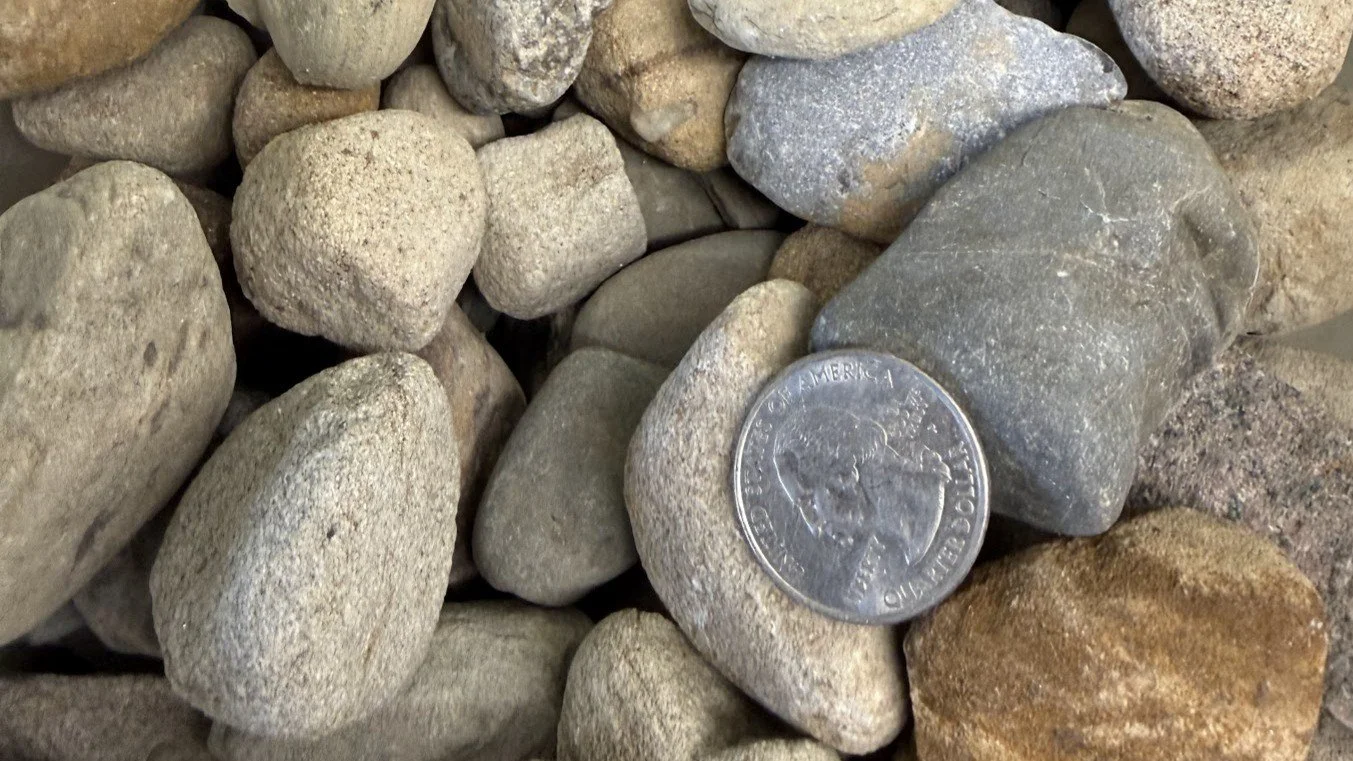
Great Lakes Pebbles Medium offer a balanced decorative look that works well in foundation beds and around shrubs. Their size helps reduce migration while maintaining a natural Great Lakes stone appearance commonly used throughout Northeast Ohio landscapes.
Great Lakes Pebbles Large (1½"–2")
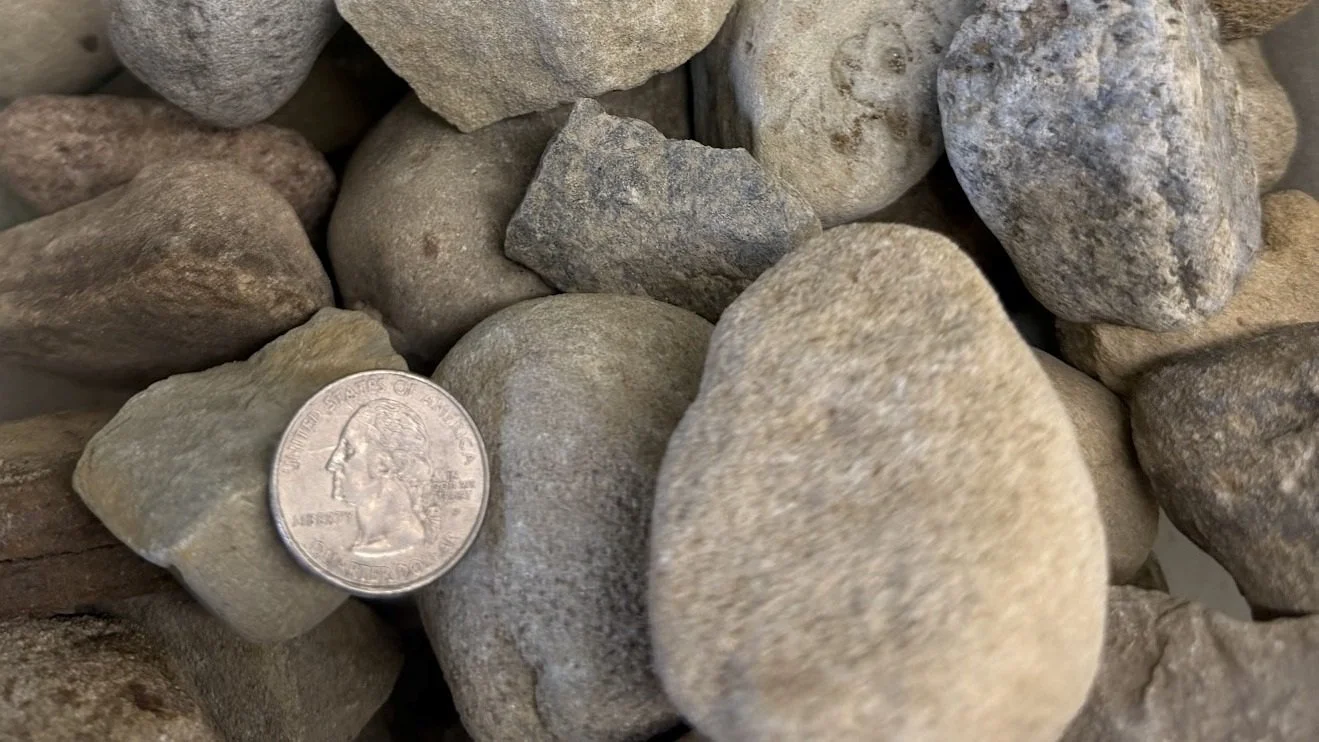
Great Lakes Pebbles Large create a bold natural accent in landscape beds and drainage areas. They are especially effective near patios, retaining walls, and downspout discharge zones where durability and long-term stability are important.
River Gravel #8 (3/8")
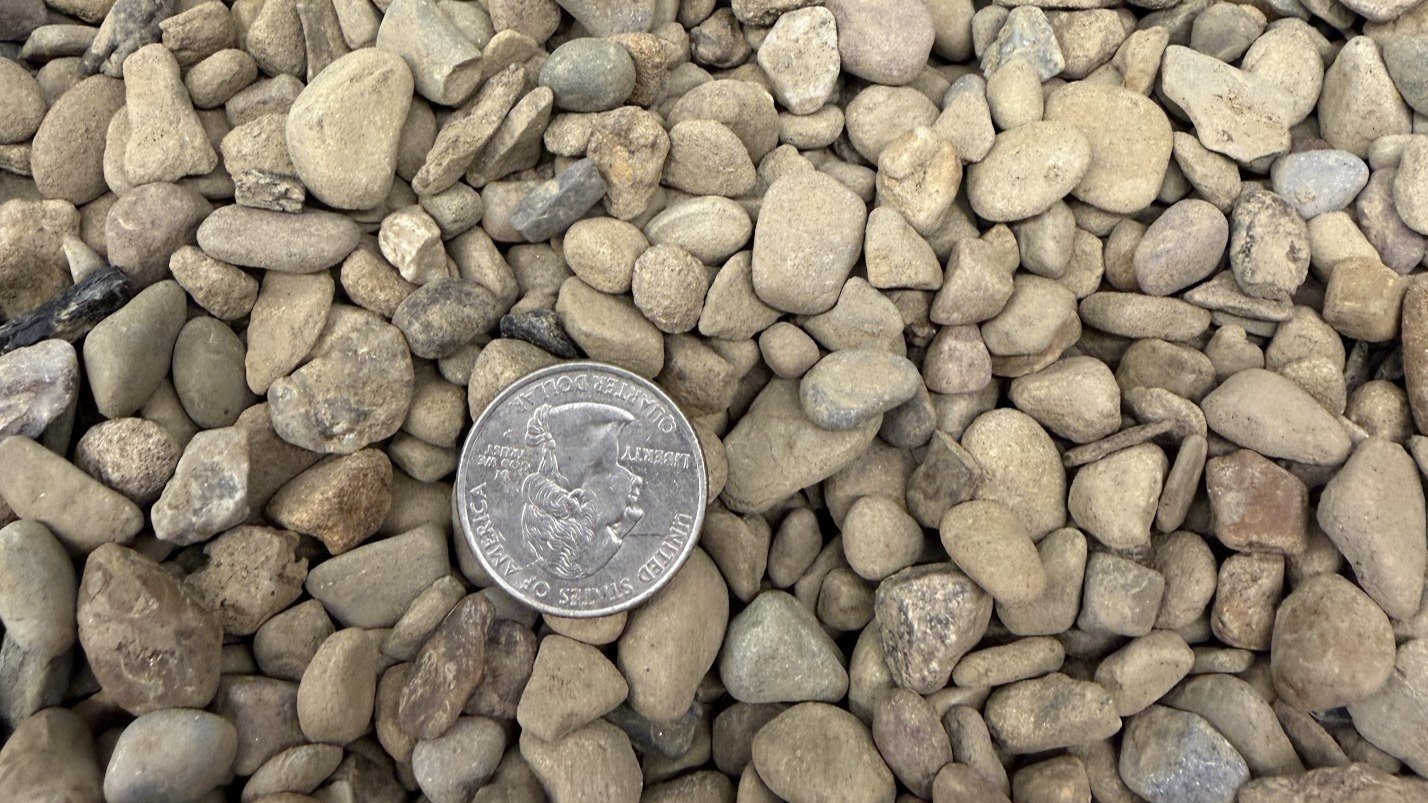
River Gravel #8 is a small, smooth decorative stone commonly used in narrow planting beds, pathway accents, and areas requiring excellent drainage. Its natural color blend complements most landscape designs while helping reduce maintenance compared to mulch installations.
River Gravel #57 (½"–1¼")
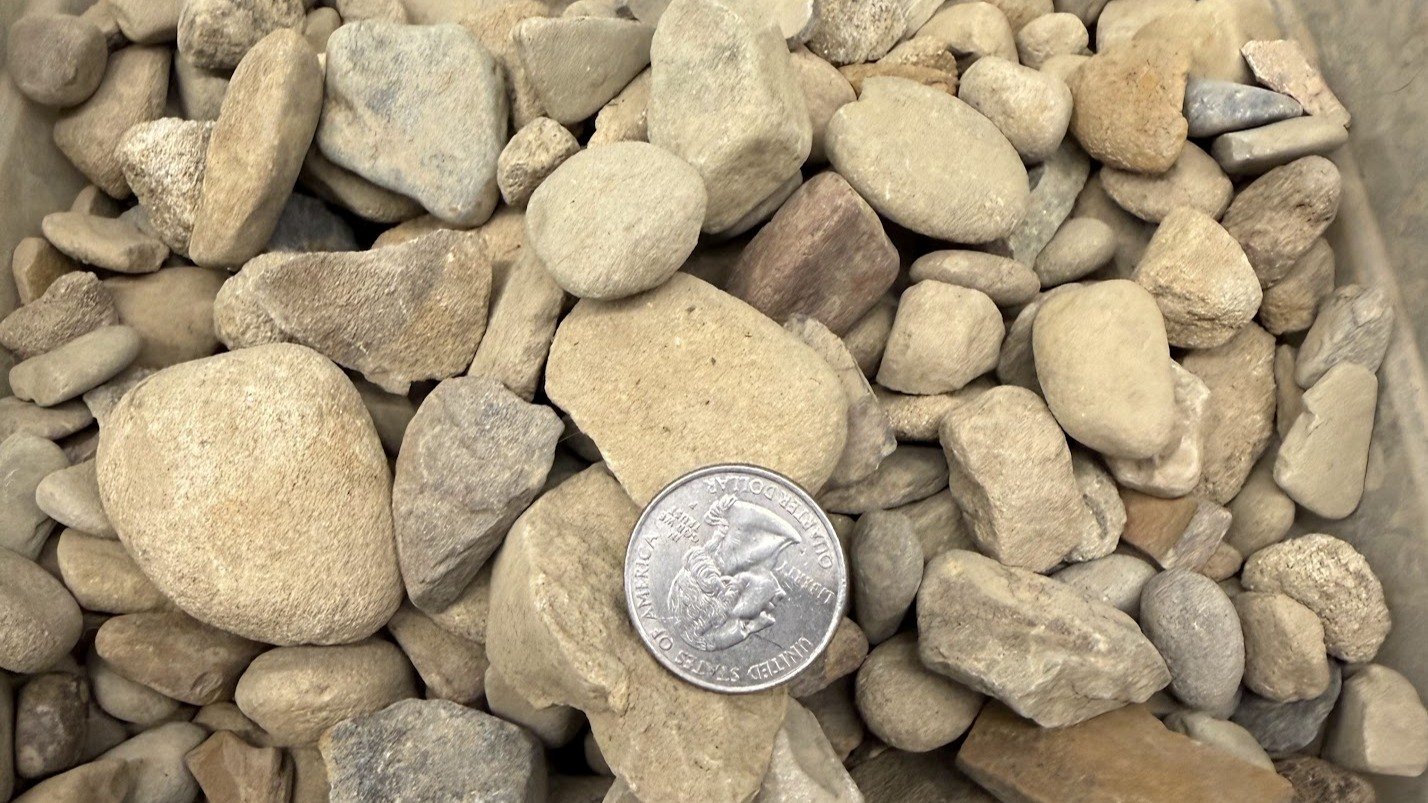
River Gravel #57 is one of the most versatile decorative stones for landscape beds around foundations and shrubs. The slightly larger size helps the stone stay in place better than smaller gravel while still providing a clean, natural appearance.
Medium River Gravel (1½"–2½")
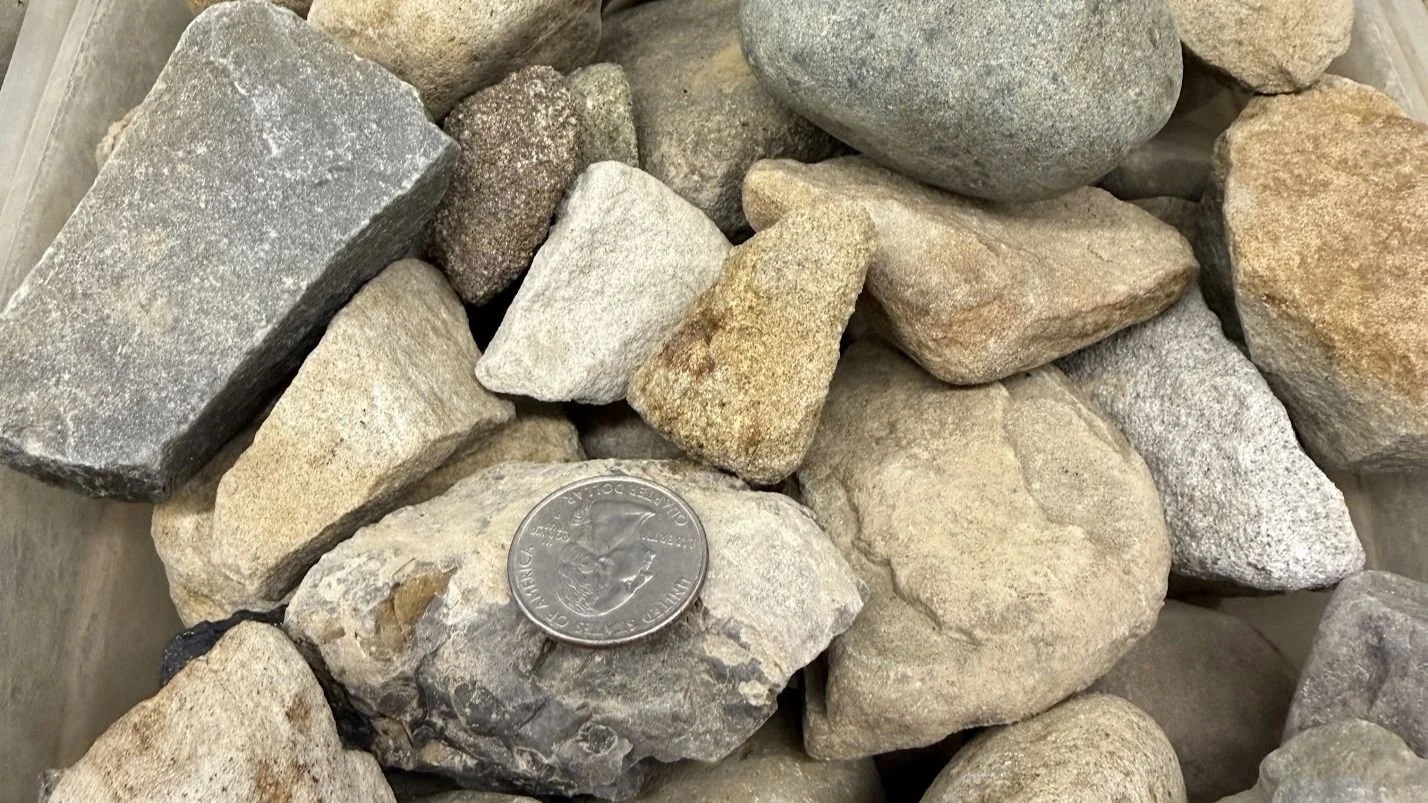
Medium River Gravel creates strong visual contrast in planting beds and works especially well along foundations, drainage areas, and transition zones between lawn and hardscape surfaces. Its size helps prevent migration while maintaining a natural look.
Large River Gravel (2"–4")
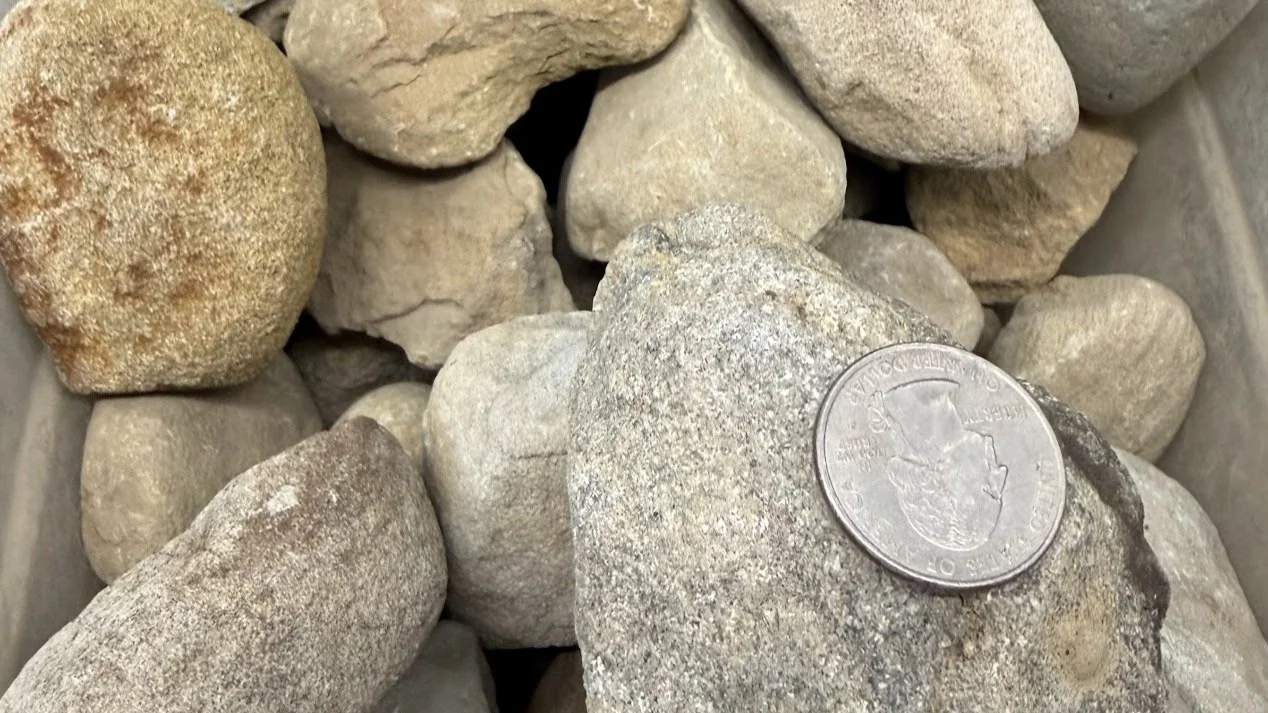
Large River Gravel is ideal for bold landscape accents, drainage swales, and areas where a larger decorative stone helps define the edge of patios, retaining walls, or outdoor living spaces. It provides long-term durability with minimal maintenance.
Mulch vs. Decorative Stone: Which One Should You Choose?
Both mulch and decorative stone offer benefits depending on the goals of your landscape project. Mulch is typically the better choice around trees, shrubs, and planting beds where improving soil health and moisture retention is important. Decorative stone is often preferred along foundations, around downspouts, and near patios or walkways where long-term durability and reduced maintenance are priorities. At Creative Landscape by Design, we help homeowners select the right material based on plant health needs, drainage conditions, and the overall appearance they want to achieve throughout their property.
Benefits of Hardscape Aggregate Materials
Aggregate base materials such as limestone 304, #57 stone, and compactable leveling gravel play a critical role in building stable patios, walkways, retaining walls, and other outdoor structures. These materials create the foundation beneath finished surfaces and help prevent settling, shifting, and drainage problems over time. Proper base preparation is one of the most important steps in long-lasting hardscape construction, and selecting the right aggregate for each application helps ensure reliable performance for years to come.
Limestone 304 (Crusher Run)
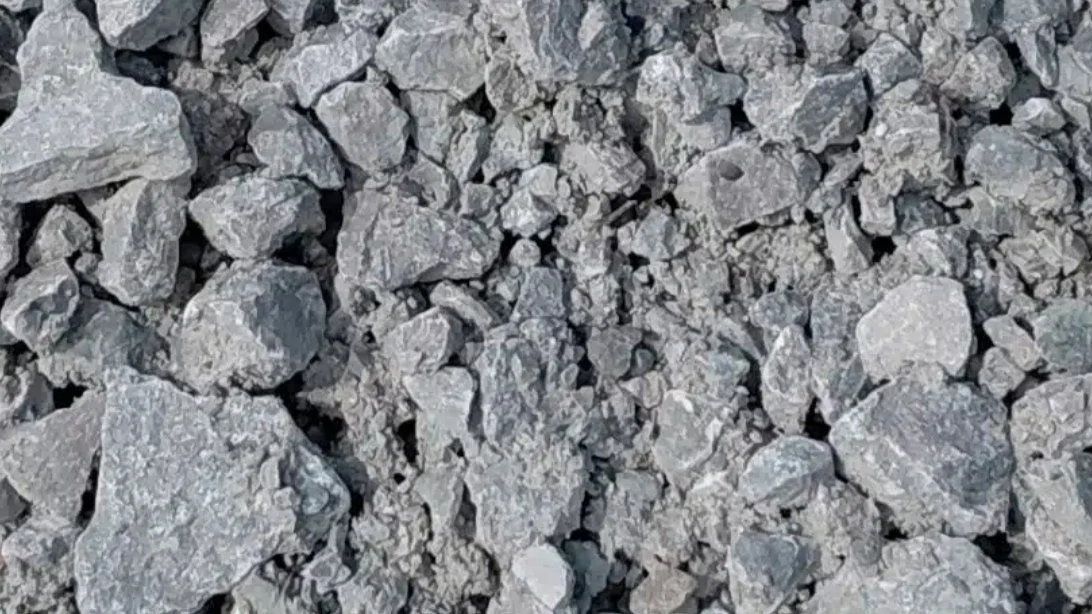
Limestone 304 is one of the most important base materials used beneath paver patios, walkways, retaining walls, and driveway installations. The mixture of crushed stone and fines compacts tightly to form a stable foundation that helps reduce settling and movement over time. Proper base preparation using materials like 304 limestone is a key part of building hardscape projects that perform well for years.
Limestone #617 (1" to fines)
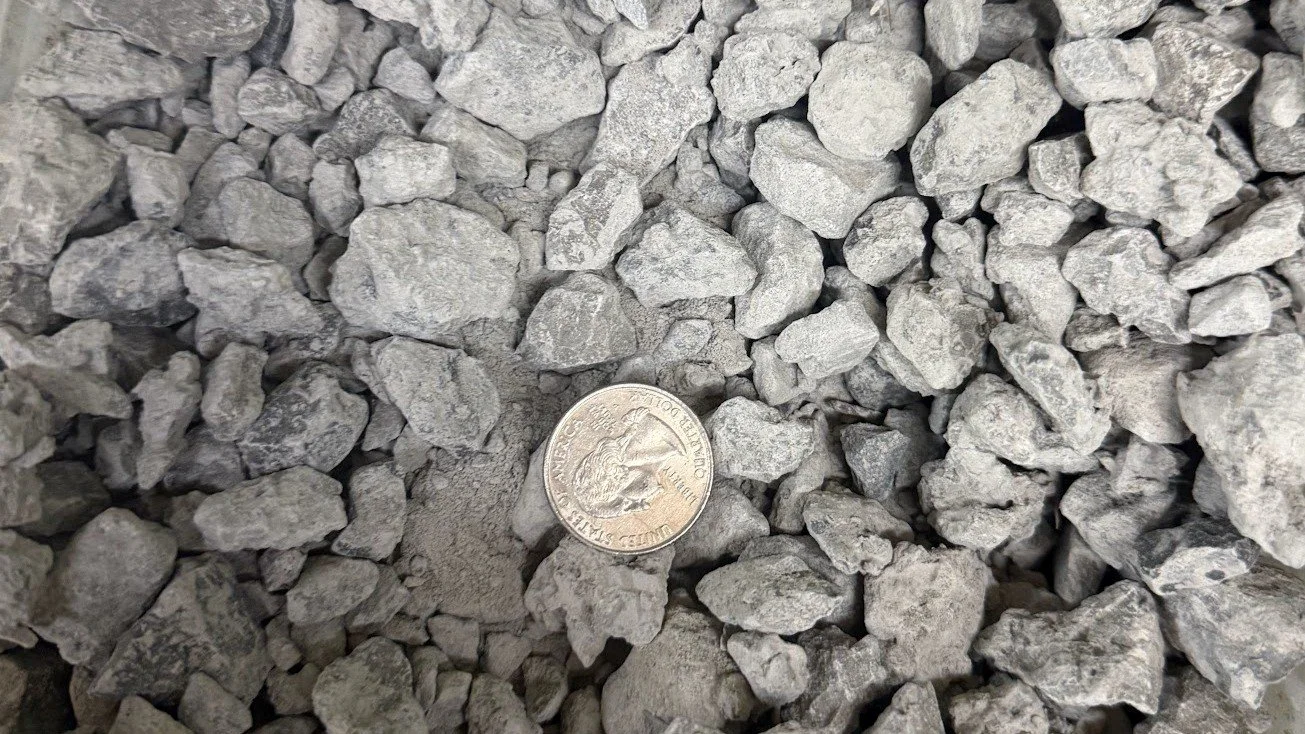
Limestone #617 is a compactable base material often used beneath paver patios, walkways, and small retaining walls. The blend of stone and fines helps create a firm foundation that improves long-term stability for hardscape installations.
Limestone #57 (½"–1¼")
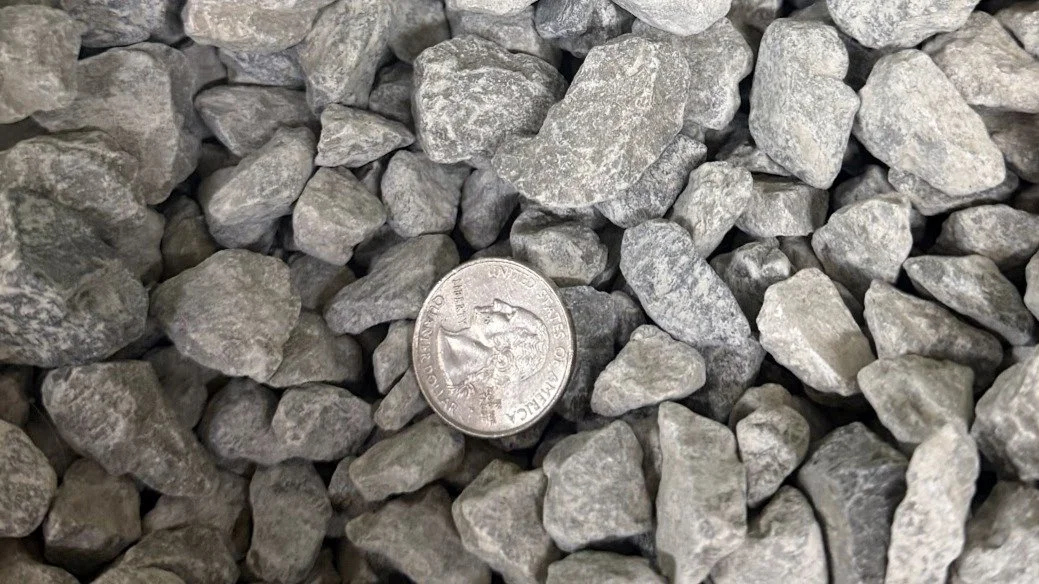
Limestone #57 stone is frequently used for drainage areas, retaining wall backfill, and base preparation beneath landscape features. Its angular shape allows the material to lock together while still allowing water to move through the base.
Limestone #8 (3/8")
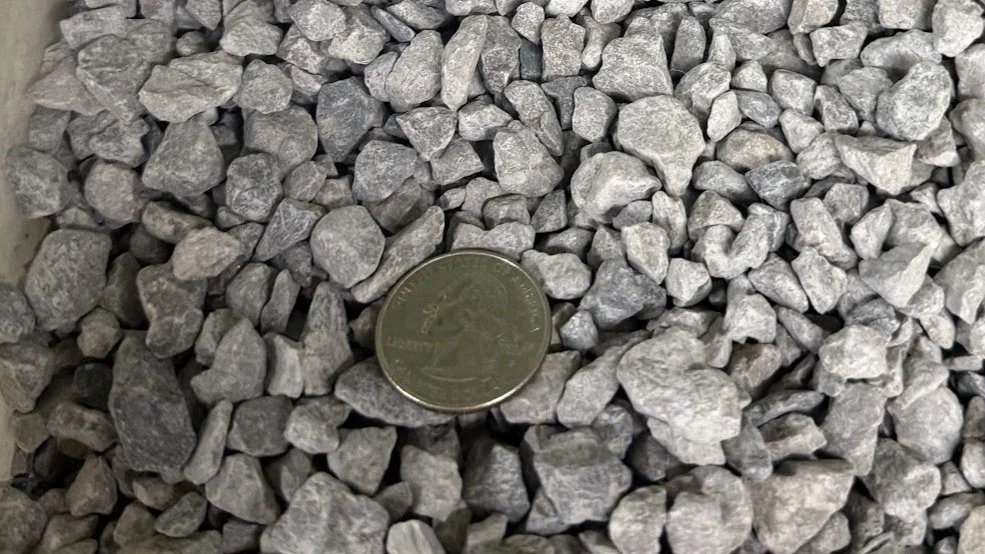
Limestone #8 is commonly used as a leveling layer for pavers and step installations. Its smaller size allows for precise adjustments during installation while maintaining strong compaction characteristics.
Limestone Sand
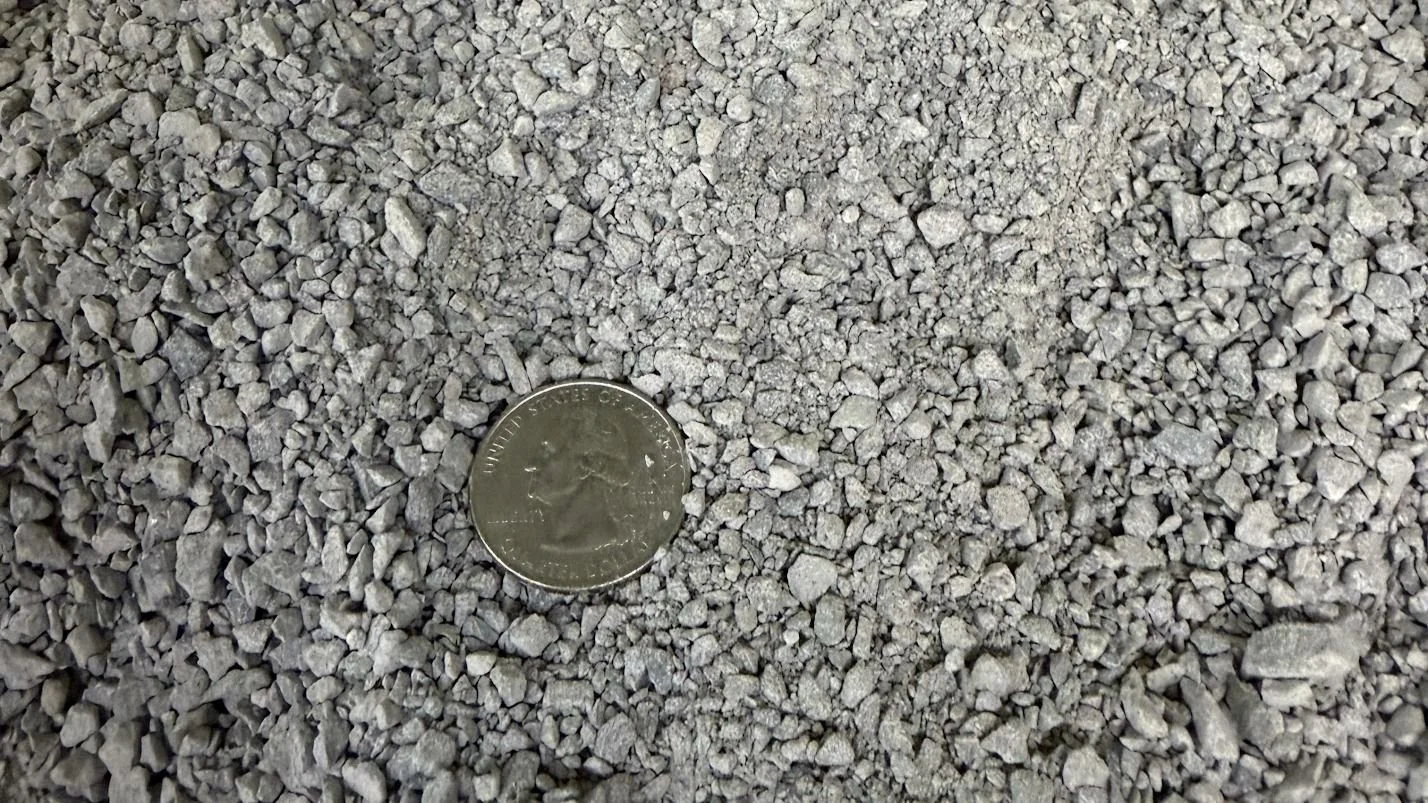
Limestone sand is commonly used as a leveling base for paver patios, walkways, and retaining wall installations. When compacted properly, it creates a stable setting surface that helps support long-term performance in hardscape construction.
Limestone (1½"–3½")
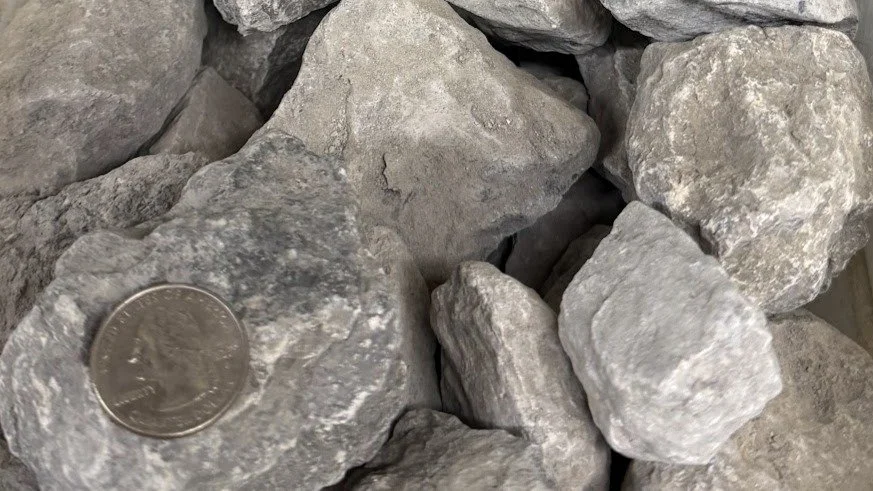
Larger limestone stone is typically used in drainage applications, erosion control areas, and structural base preparation where additional stability is required. It also works well in swales and around downspout discharge zones.