Perennials
Perennials are essential in landscaping for their beauty and sustainability. Unlike annuals, they return each season, providing stable garden aesthetics. Their variety of colors, shapes, and sizes allows for creative enjoyment.layouts that bloom at different times. They also improve soil health and attract pollinators, supporting ecosystems. Using perennials leads to a beautiful, low-maintenance landscape, enhancing outdoor
Astilbe is perennial plant that does well in shade. Astilbes bloom in several different colors, which helps bring life too any shady areas of your landscaping projects.
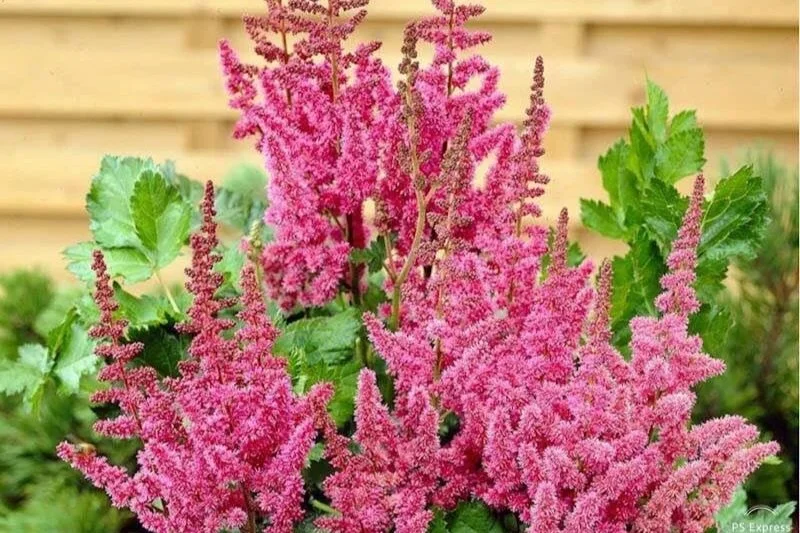
Astilbe
Hostas is a perennial that thrive in shady areas of your landscape. However, some varieties of hostas will also do well in partial sun, such as the variety sum and substance. Hosta plants come in several different colors and sizes.
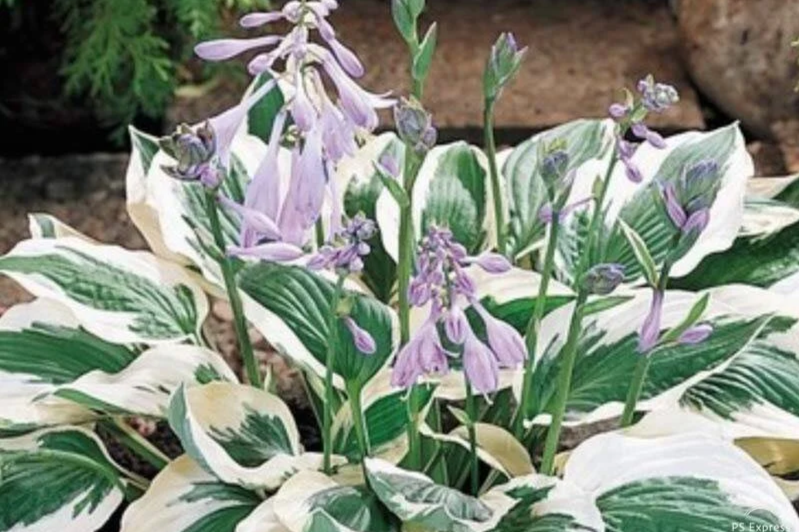
Hosta
Sedum is a perennial that blooms in the fall. The foliage consists of large clusters of pink flowers, that turns russet -red.
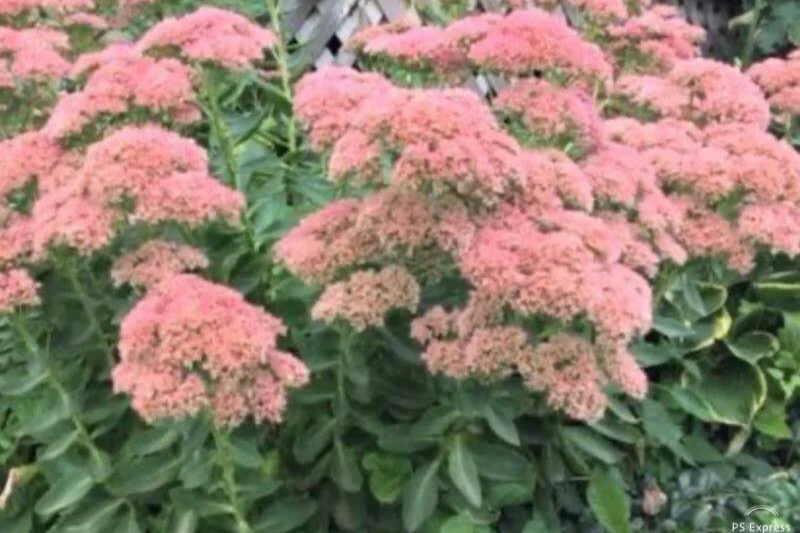
Sedum Autumn Joy
Lirope is a perennial plant that blooms a small purple flower in the fall. Lirope’s leaf can be green or variegated. This plant mimics a small grassy plant that can add color too any landscape area.
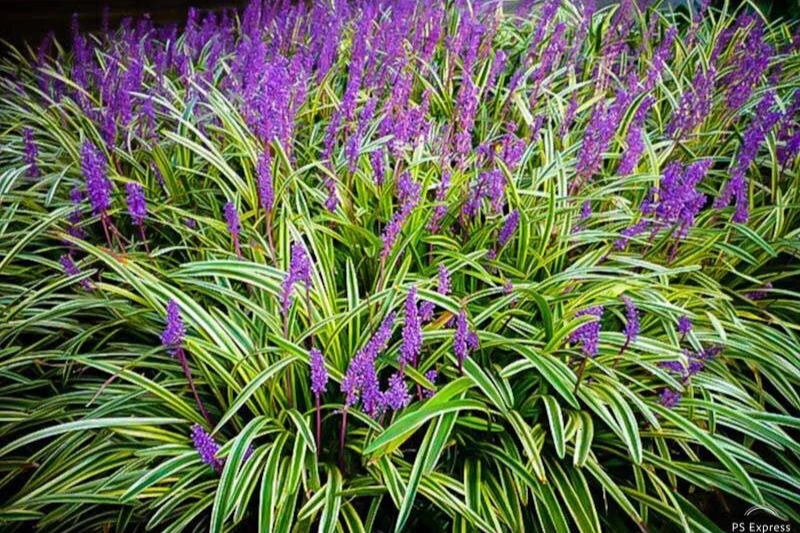
Lirope
Black eyed susan is a perennial that enjoys full sun. Named after it’s black center, this plant has a long summer bloom which helps accent any landscape bed.

Black Eyed Susan
Stella d’ oro is a perennial that does well in full and partial sun. Stella d’ oro rebloom several times throughout the summer into the fall season. This plant has large clusters of yellow flowers. This plant is commonly used as a staple in any landscaping projects.

Stella D’ Oro
Phlox is a perennial that creeps along your landscape bed. Phlox comes in a wide variety of colors, that blooms in spring.

Phlox
Clematis is a perennial plant that bloom time will vary depending on type. Clematis is a good choice, if trying to add color and a trellis in the landscaping plans.
